News

...
CFive Concludes Strategic Engagement in Washington, D.C.
Thu, Feb 26, 2026, 11:27 AM

From February 17 to 20, 2026, the CFive team conducted a series of high-level meetings in Washington, D.C., engaging with leading U.S. policy institutions and think tanks to advance dialogue on strategic connectivity, critical minerals, energy cooperation, and supply chain diversification.

Working discussions were held with:

• The Heritage Foundation

• Hudson Institute

• Atlantic Council

• Caspian Policy Center

• Congressional Research Service

• New Lines Institute

Discussions centered on the evolving geo-economic landscape, emerging corridor initiatives, and the growing relevance of Central Asia in global supply chain realignment. Particular emphasis was placed on moving from analytical exchange to implementation-oriented cooperation, including joint research initiatives, expert dialogue, and structured business engagement.

These meetings took place on the sidelines of the Peace Summit in Washington, D.C., in which Kazakhstan participated at the invitation of President Donald Trump. Kazakhstan was represented by President Kassym-Jomart Tokayev, underscoring the strategic depth of the country’s engagement at the highest political level.

Throughout the week, a consistent strategic narrative emerged: Kazakhstan’s role as a connector state. Situated at the crossroads of Europe and Asia, Kazakhstan advances a multi-vector foreign policy designed to maintain balanced relations with diverse centers of power. Its accumulated experience in providing neutral negotiation platforms and sustaining diplomatic continuity strengthens international confidence in the country as a bridge between East and West, as well as between the Global North and the Global South.

In this context, connectivity extends beyond geography. It is institutional, economic, and strategic. The CFive team’s engagement in Washington, combined with Kazakhstan’s participation in the Summit, reflects a broader effort to integrate Central Asia into transregional networks linking the United States, Europe, the Middle East, and the Indo-Pacific - reinforcing Kazakhstan’s evolving identity as a connector state in a rapidly transforming global order.

...
Chun Jie Celebration at BLCU Kazakhstan: Friendship of Peoples and Cultural Unity
Fri, Feb 20, 2026, 7:58 AM

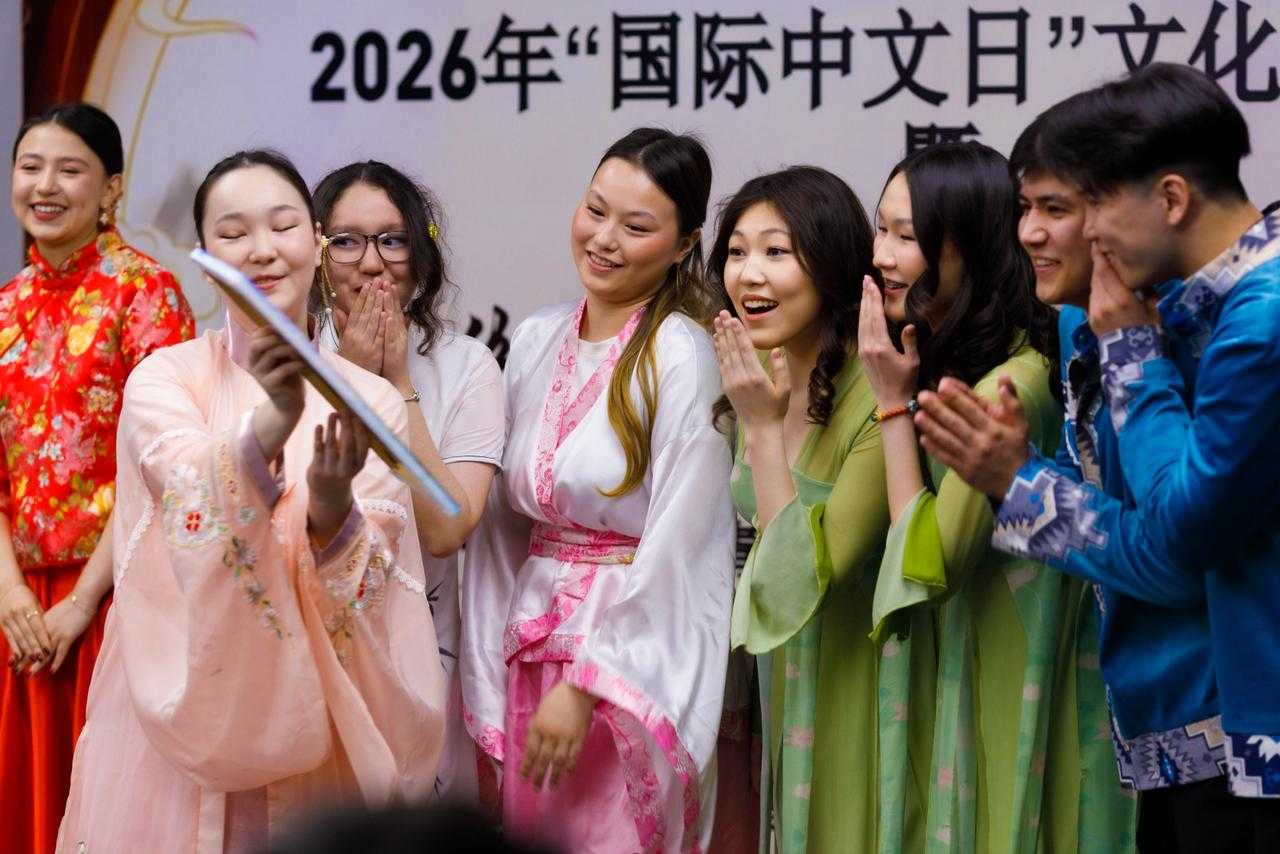
For the first time, a large-scale event dedicated to the Chinese New Year was held within the walls of the branch of Beijing Language and Culture University  (BLCU Kazakhstan). On February 18, the branch became a celebration venue for all Sinologists in Astana, bringing together students, faculty members, and distinguished guests.

The event took place in a warm and ceremonial atmosphere. The Vice President of Astana International University, Kairat Amangeldinovich Abdrakhmanov, took part in the celebration. Participants included students of Astana International University enrolled in the double-degree program in Economics and Business in cooperation with UIBE, students of BLCU Kazakhstan, representatives of the NU Chinese Club, as well as guests from Karaganda — representatives of the E. A. Buketov Karaganda National Research University and the L. N. Gumilyov Eurasian National University.

As part of the program, participants were introduced to the significance of Chun Jie — the Spring Festival, which is the most important traditional holiday in China and symbolizes renewal, family unity, and the beginning of a new year. Familiarization with Chinese New Year traditions allowed guests to gain a deeper understanding of the cultural values of the Chinese people.

A special place in the program was dedicated to the theme of friendship between Kazakhstan and China. As a sign of respect for Chinese guests, Kazakh national performances were presented. The NU Orchestra performed on stage, while students of the BLCU Kazakhstan double-degree program presented a “Dance of Friendship of Two Peoples,” combining elements of Kazakh and Chinese cultures.

The celebration of the Chinese New Year at BLCU Kazakhstan became a significant cultural event, highlighting the strong ties between Kazakhstan and China, as well as the important role of educational and youth initiatives in strengthening mutual respect and cooperation between the two countries.

...
Munich Security Conference 2026
Tue, Feb 17, 2026, 7:05 AM
On the sidelines of the 62nd Munich Security Conference (MSC 2026), an official side event dedicated to connectivity, security, and the economic potential of the Trans-Caspian International Transport Route (the Middle Corridor) was held for the first time.

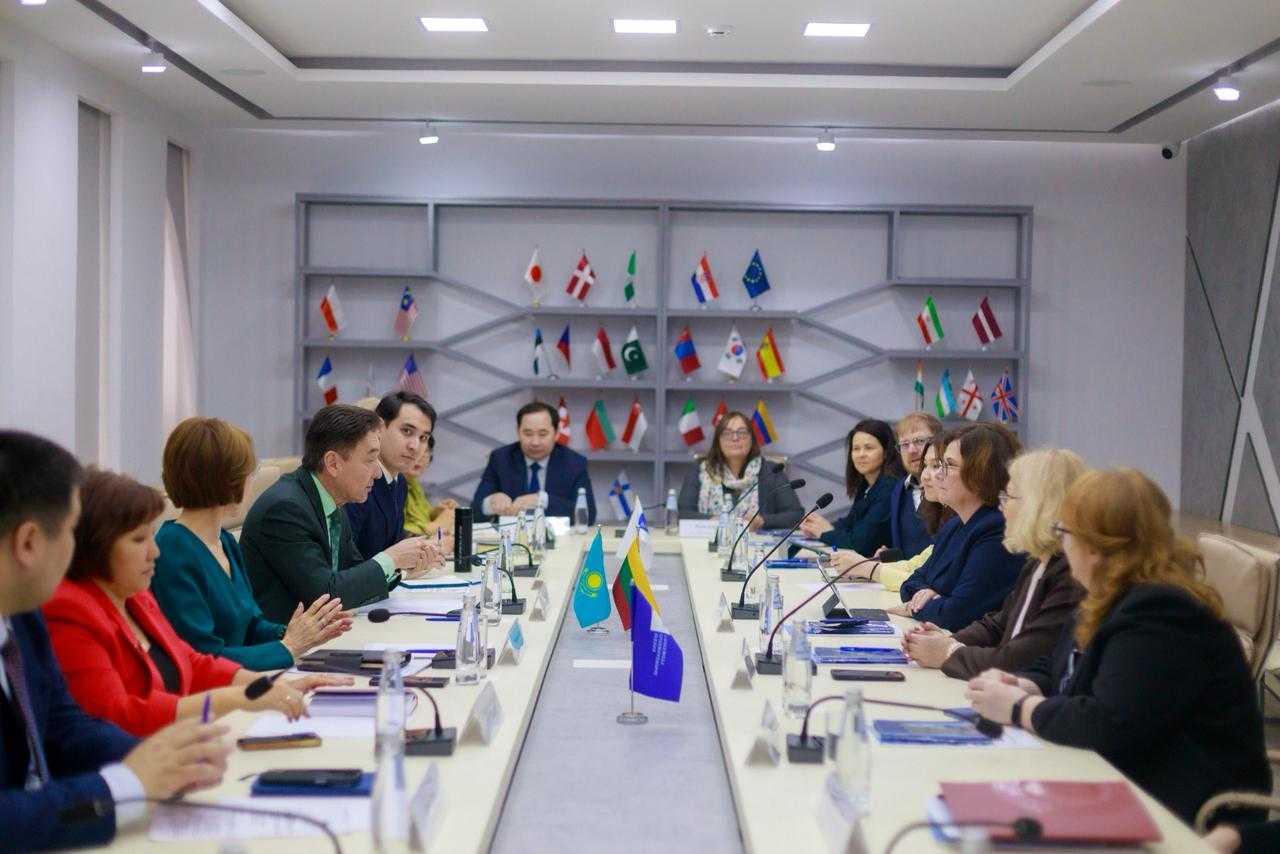
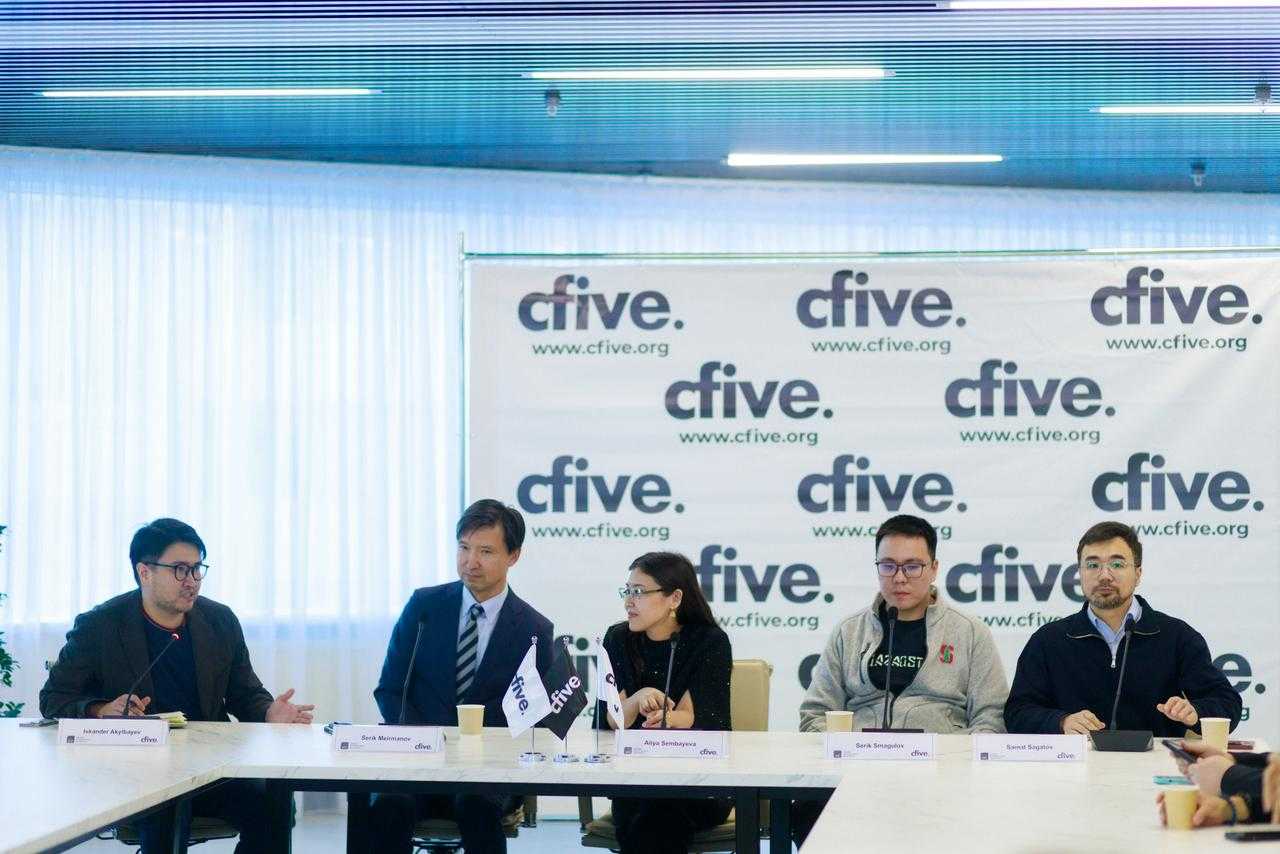
The discussion, titled “The Golden Mean? Connectivity, Security and the Caspian Middle Corridor,” was organized by the Caspian Policy Center (CPC) in partnership with the Kazakhstani intellectual platform CFive. The event was included among the highlighted sessions of MSC 2026, reflecting the growing international interest in practical aspects of Eurasian connectivity and the resilience of global supply chains.

The event gained particular significance with the participation of Helga Maria Schmid, former Secretary General of the Organization for Security and Co-operation in Europe (OSCE) and Vice President of the Munich Security Conference Foundation Council. In her opening remarks, she emphasized the increasing role of the Middle Corridor in Europe’s security agenda, economic resilience, and the diversification of international trade routes.

The event was held in the format of an in-person working breakfast and brought together representatives of government institutions, the diplomatic corps, think tanks, and the international business community.

Participants in the discussion included Assel Zhanassova, Deputy Head of the Presidential Administration of the Republic of Kazakhstan; Sodiq Safoev, First Deputy Chairman of the Senate of the Oliy Majlis of the Republic of Uzbekistan; Hikmet Hajiyev, Assistant to the President of the Republic of Azerbaijan and Head of the Foreign Policy Department of the Presidential Administration; as well as Iskander Akylbayev, Chairman of the CFive intellectual platform, and Efgān Nifti, Chief Executive Officer of the Caspian Policy Center.

The discussion focused on a shared vision of the Middle Corridor as an emerging multilateral economic platform capable of ensuring sustainable trade, transit, and investment links between Europe, the Caspian region, Central Asia, and the markets of East Asia. Participants discussed the transformation of global supply chains, new opportunities in trade, logistics, and transit, as well as the role of digitalization and infrastructure modernization in enhancing the reliability and efficiency of the route.
...
AIU and CIPE Discussed the Future of Business Integration in Central Asian Countries
Fri, Feb 13, 2026, 12:32 PM

The global economy is moving along the vector of regionalization. The success of states directly depends on their ability to build strong ties with their neighbors. In conditions where Central Asia is becoming a key bridge between global markets, the role of expert platforms and academic centers increases manifold.

On February 13, a landmark meeting was held at AIU on the site of the CFive intellectual platform with representatives of the Center for International Private Enterprise (CIPE), dedicated to the prospects of integration processes in our region.

The discussion was attended by leading CIPE specialists responsible for the development of programs in the Eurasian region: Regional Director for Europe and Eurasia Natalia Otel Belan; Associate Program Officer Jeremy Cohen; Senior Program Manager Maksat Korooluev.

From the AIU side, the meeting was attended by the President of the University Serik Irsaliyev, as well as the President of CFive Sapargali Shalgimbayev.

The participants discussed how expert developments can be transformed into real economic changes. The parties exchanged views on the development of the B5+1 format and the prospects for strengthening economic interaction between the countries of Central Asia and the USA.

Issues of regional integration, improvement of the business environment, and expansion of expert cooperation were discussed. Special attention was paid to the possibilities of interaction in the educational and analytical spheres, as well as the role of expert platforms in supporting economic initiatives.

For AIU, interaction with organizations such as CIPE is a strategic priority. This is a step in the development of the university as an international center of knowledge: scientists get access to advanced world experience and practical case studies; AIU confirms its status as a space for dialogue between international institutions, business, and the state; research at AIU is synchronized with real market demands and global trends in the development of the region.

“We are creating an ecosystem where theory meets practice. Collaboration with CIPE allows our researchers to be at the epicenter of the formation of the region's new economic reality,” the university notes.

The meeting was held in a constructive atmosphere and confirmed the mutual interest in continuing the dialogue and developing cooperation.

...
Strategic Horizon 2030: AIU Launches Global Dialogue on the Future of Central Asia
Tue, Feb 3, 2026, 10:56 AM

The implementation of President Kassym-Jomart Tokayev's ambitious strategy to transform Kazakhstan into a key regional hub requires not only political efforts and infrastructure development but also adequate expert support.


Central Asia has become a crossroads of interests for many global powers. However, analytical infrastructure lags behind the diplomatic realities of the "Central Asia Plus" formats. The expert environment is fragmented or isolated from global networks. There is an excess of opinions but a deficit of trust, methodology, and institutional consistency.


A need emerged for a new type of independent analytical "think tank" operating at the intersection of politics, economics, and security, providing reliable, in-depth, and internationally recognized analysis about Central Asia — produced from within the region itself as an independent geo-economic and geopolitical hub.


As part of this vital task, Astana International University (AIU) initiated the creation of an intellectual bridge between Kazakhstan and the world's leading research centers. A practical step in this direction was the official launch of the independent platform CFive, established at AIU in partnership with prestigious organizations such as the Atlantic Council and the Caspian Policy Center. This partnership transforms the university into an epicenter of strategic thought, where academic knowledge merges with global politics.


On February 2 of this year, AIU hosted the forum "Central Asia 2030: Strategic Horizons and Regional Choices" on the basis of the CFive platform.


The event brought together representatives of government agencies, the diplomatic corps, international think tanks such as the Atlantic Council and the Caspian Policy Center, as well as the academic and expert communities. Participants discussed the transformation of Central Asia's role in the context of current geo-economic and geopolitical changes, as well as strategic horizons for the region's development until 2030.


The central theme of the discussion was the reimagining of regional connectivity — not as an alternative route, but as strategic infrastructure necessary to ensure economic sovereignty, sustainable growth, and long-term stability for Central Asian countries. It was noted that over the past year, Central Asian and Trans-Caspian countries have made significant progress in coordinating transport, logistics, customs, and digital systems, which previously seemed unrealistic.


Forum speakers included Erkin Tukumov (Special Representative of the President of the RK for Afghanistan), Zulfiya Suleimenova (Ambassador-at-Large, Ministry of Foreign Affairs of the RK), Dauren Aben (Deputy Director of KazISS under the President of the RK), Sultan Yessenbek (Secretary General of the Benelux Chamber of Commerce in Kazakhstan), Andrew D’Anieri (Deputy Director of the Eurasia Center, Atlantic Council), Efgan Nifti (CEO, Caspian Policy Center, online), Iskander Akylbayev (Chairman of CFive), Aaro Ylitalo (Representative of the European Union in the RK), Samuel Mills (Head of Political and Communications Section, British Embassy), Beatriz Muñoz González (Deputy Head of Mission, Embassy of Spain), and Elias Oppenrieder (First Secretary of the Political Section, Embassy of the FRG). They noted that close coordination of logistical and digital systems over the past year has enabled a new level of regional integration. The CFive platform is intended to become a tool to help transform political declarations into concrete investment and technological projects.


U.S. Approach to Central Asia


During the discussion, it was emphasized that the U.S. consistently promotes a regional approach to interaction with Central Asia, viewing it as an independent strategic subject with its own agency and significance, rather than an object of foreign policy. For Washington, long-term commercial and investment projects are directly linked to regional stability, deepening cooperation between neighboring states, and the development of regional formats.


In this context, the C5+1 format was noted as the key framework for U.S. engagement with Central Asia. Holding the C5+1 summit at the level of heads of state in Washington was a significant event, especially considering the traditional orientation of American foreign policy toward bilateral formats.


It was noted that a potential visit by the U.S. President to the region is possible only in the presence of a "big deal" — a large-scale commercial or strategic project with clear and mutual benefits. Potential areas included the extraction of critical minerals, the development of transport and logistics connectivity, and major investment projects that go beyond symbolic initiatives.


Currently, Central Asia is viewed by Western and American investors as a reliable region due to macroeconomic stability and interest in sovereign debt. However, participants emphasized the need to move to the next stage — creating conditions for large-scale equity investments capable of ensuring sustainable economic effects for both regional countries and international partners.


Regional Institutionalization and New Priorities


Particular attention was paid to deepening regional institutionalization, including the formation of the C6 format (C5 + Azerbaijan), which expands Central Asia's strategic perimeter to the west and strengthens the region's collective bargaining position in interactions with external actors.


Energy and critical minerals were identified as new strategic priorities. Participants stressed the importance of transitioning from a raw material model to processing, creating added value, and integrating into global production chains related to green energy, electrification, and digital infrastructure. The Middle Corridor was viewed as a key tool for ensuring this transformation.


In conclusion, participants agreed that if 2025 was a year of strategic alignment, 2026 would be a test of implementation and effectiveness. Priorities include increasing the capacity of the Middle Corridor, eliminating infrastructure bottlenecks, moving from political declarations to practical results, and embedding regional cooperation into everyday management and trade practices.


The event confirmed the demand for CFive as a new independent analytical platform and a long-term venue for expert dialogue and international cooperation on the strategic future of Central Asia.


For students and faculty, CFive opens unique doors. They gain direct access to international analytics and the chance to conduct research alongside experts from Washington and Astana. AIU reaffirms its status as a next-generation research university, actively shaping the future of Kazakhstan as a leading intellectual hub.

...
Digitalizing Heritage: AIU Enhances Cooperation with the Turkic Culture Foundation
Fri, Jan 30, 2026, 7:35 AM

UNESCO analytics prove that digitalization is the primary tool for global heritage preservation. Deloitte experts emphasize that integrating technology into humanities creates significant economic opportunities. Modern cultural diplomacy requires the active implementation of IT solutions.

In this regard, on January 28, 2026, our university hosted a delegation from the Turkic Culture and Heritage Foundation. The organization's primary objective is to preserve and promote Turkic values on the global stage. Its responsibilities include supporting scientific research and protecting the historical heritage of Turkic nations. It is worth noting that the landmark 10th Summit of the Organization of Turkic States was held in our capital in 2023.

As part of this strategic initiative, a high-level dialogue took place at the university between AIU President Serik Irsaliyev and the Head of the Foundation, Aktohty Raimkulova. The discussion also included technological leaders from Astana HUB and NIT JSC, professors from the Higher School of IT and Engineering, and staff from the IT Department of Astana International University.

The Foundation’s Head presented global initiatives for promoting shared heritage. Participants discussed the potential of startups in popularizing cultural values. Specific ideas were proposed to create interactive educational resources. Digital solutions will help make history accessible to the new generation.

The primary outcome was the discussion of plans to solidify the partnership. A four-party memorandum of cooperation is expected to be signed soon. The document will unite the efforts of the University, the Foundation, and Kazakhstan’s leading IT structures.

This collaborative format will establish a unique scientific and technological foundation. We aim to transform cultural traditions into an innovative brand.

...
Tourism. Partnership. Progress.
Tue, Jan 27, 2026, 9:33 AM

The University continues to strengthen its role in advancing Kazakhstan’s tourism sector and supporting the development of modern regional infrastructure.

As part of this vision, the University held a meeting with representatives of Finnish companies with international expertise in construction and architectural development. The discussions focused on potential cooperation, sustainable solutions, and the creation of facilities that enhance the attractiveness of tourism destinations.

The University views tourism as a strategic direction that connects education, research, and international partnership. Joint initiatives are expected to contribute to regional economic growth and the formation of a high-quality tourism environment.

Infrastructure development may also expand recreational opportunities for academic staff.

The University positions itself not only as an educational institution, but as an active contributor to the country’s socio-economic progress.

The Finnish delegation visiting our university included:

• Mr. Ahti Sakari Juntila, CEO of Onnivations Oy

• Mr. Frank Isonimy, CEO of Opus Arcticus Oy

• Mr. Ari Tapanen Resanin, CEO and Partner of Thermiahirsi Oy

• Mr. Luis Alfonso Gonzalez Toyvola, Director of International Business at Grow Capital Oy

Thus, cooperation with international partners opens up new prospects for the development of Kazakhstan's tourism sector, the introduction of innovative technologies, and the improvement of infrastructure quality. The University continues to strengthen its role as a center of competence, where education, science, and practice are combined for the benefit of the region, creating conditions for sustainable economic and social growth.

...
AIU Is Open to International Students
Wed, Jan 21, 2026, 10:00 AM

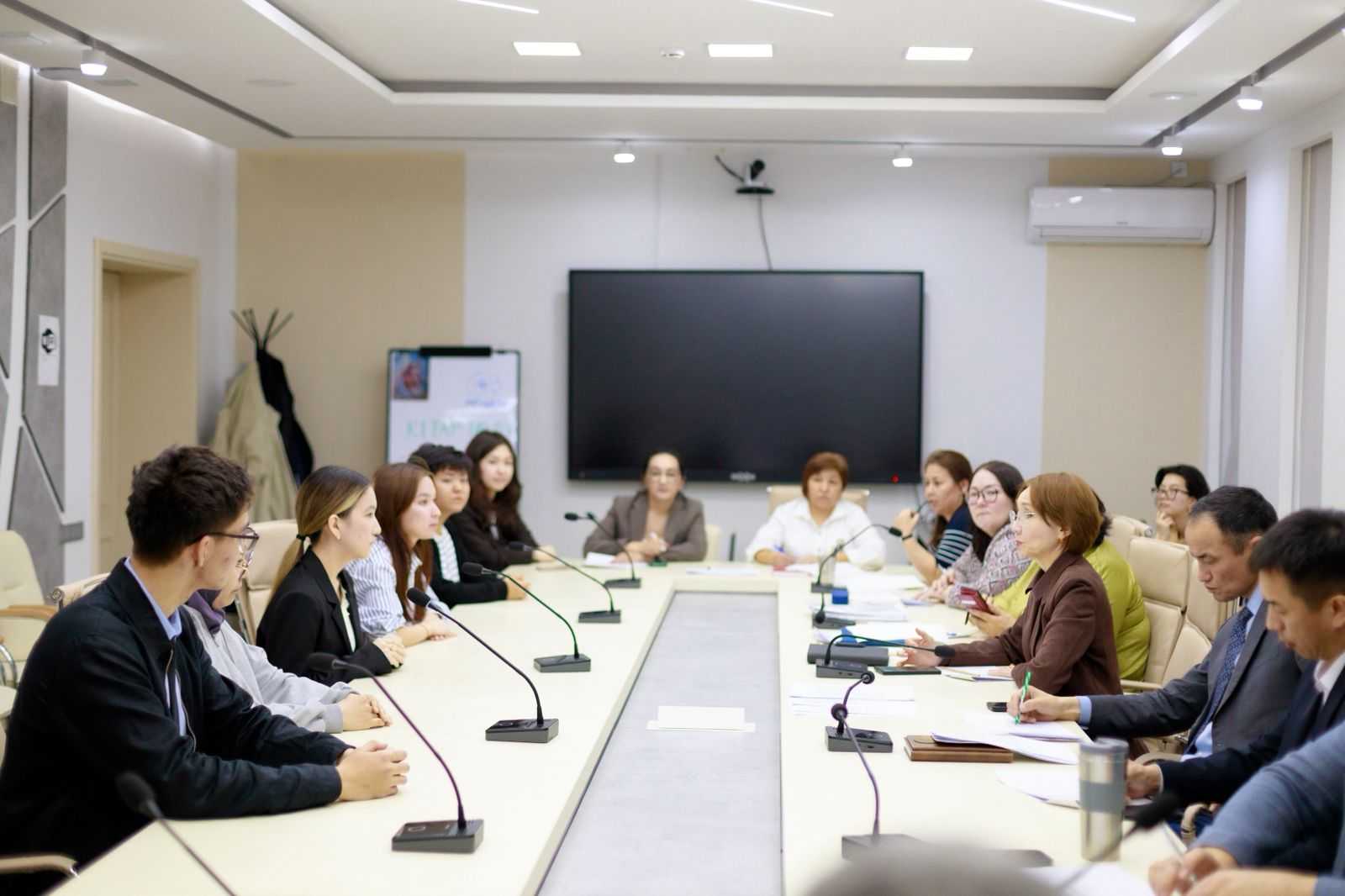
On January 20, 2026, Astana International University hosted a warm and meaningful meeting with students from Tajikistan and Kyrgyzstan who arrived to study under the academic mobility program.

The international students are studying within the framework of cooperation agreements with Tajik International University named after Sotim Ulugzoda (Dushanbe, Tajikistan) and Osh State University (Osh, Kyrgyzstan).

The meeting was attended by the university leadership, as well as the deans of the Higher School of Arts and Humanities and the Pedagogical Institute, highlighting the university’s strong commitment to academic mobility and international cooperation.

During the open dialogue, students introduced themselves, shared their first impressions of studying and living at AIU, and asked questions of interest. The discussion covered learning opportunities, the academic environment, cultural exchange, and prospects for further collaboration between partner universities.

The President of AIU emphasized that the university is open to international students and consistently develops international academic partnerships, creating comfortable conditions for study, adaptation, and professional growth. According to him, such meetings help strengthen partnerships, expand intercultural dialogue, and build a unified academic space.

AIU continues to actively support academic mobility programs, viewing them as an important tool for integration into the global educational community.

...
Completion of the Language Internship of BLCU Kazakhstan Students in Hainan
Mon, Jan 5, 2026, 10:30 AM

The language internship of students from the BLCU Kazakhstan branch, held at one of China’s leading universities  Beijing Language and Culture University (BLCU) on Hainan Island - has been successfully completed. The program involved 50 students, for whom these two weeks became an intensive, vibrant, and truly meaningful stage of their educational journey.

The internship took place from December 15 to December 29, 2025, and provided a unique opportunity to experience the authentic academic environment of one of the world’s most authoritative centers for teaching Chinese as a foreign language. Notably, it was at this university that the President of the Republic of Kazakhstan, Kassym-Jomart Tokayev, studied in 1983–1984, which adds special historical significance and symbolic value to this educational experience.

Over the two-week period, students studied using the same Chinese language teaching methodology applied at BLCU for international students from around the world. Despite the short yet intensive duration, participants significantly improved their Chinese language proficiency, expanded their vocabulary, and enhanced their spoken communication skills.

In addition to academic classes, the program included a rich cultural and practical component. Students took part in workshops on Chinese calligraphy and taijiquan - a traditional Chinese martial art that combines fluid movements, breathing techniques, and the philosophy of harmony. They also became acquainted with China’s history and traditions, visited major landmarks of Hainan Island and the city of Sanya, explored villages of the Li and Miao ethnic minorities, and visited the famous “Deer Turning Its Head” Park as well as the largest thematic park, “Romance Park.”

This internship became not only an educational experience but also a valuable cultural, intercultural, and personal journey for the students. It enabled them to gain a deeper understanding of Chinese culture, broaden their horizons, acquire international experience, and build new connections.

Upon completion of the program, all participants received certificates confirming their successful completion of the language internship at Beijing Language and Culture University.

These two weeks in Hainan became a bright and memorable chapter in the students’ lives, leaving them with valuable knowledge, inspiration, and strong motivation for further development.


...
Astana International University Student Wins Huawei ICT Competition
Tue, Dec 23, 2025, 12:21 PM

Astana International University student Bakdaulet Kemal has won the Huawei ICT Competition, placing third in the 2025-2026 season.

The winner's name and result were officially announced during the awards ceremony.

The ceremony was attended by Vice President Kairat Amangeldievich and Deputy Dean of the Higher School of Information Technology and Engineering Mira Zhorabekovna, underscoring the event's high status and the competition's importance for the development of ICT education and the training of competitive specialists.

The Huawei ICT Competition is one of the largest international competitions in the field of information and communications technology, bringing together students from dozens of countries. Bakdaulet Kemal's victory, taking third place in the 2025-2026 season, testifies to the high level of student preparation and the quality of the educational programs at Astana International University.

During the awards ceremony, certificates and gifts were presented to the winners by Vice Minister of the Ministry of Education and Science of the Russian Federation D.R. Sheglova. and Huawei's leadership in Kazakhstan.

The Huawei ICT Competition is one of the largest international competitions in information and communications technology, bringing together students from dozens of countries. Bakdaulet Kemal's victory testifies to the high level of preparation of the students and the quality of the educational programs at Astana International University.


...
AIU Expands Scientific Collaboration with Asia
Tue, Dec 23, 2025, 11:47 AM

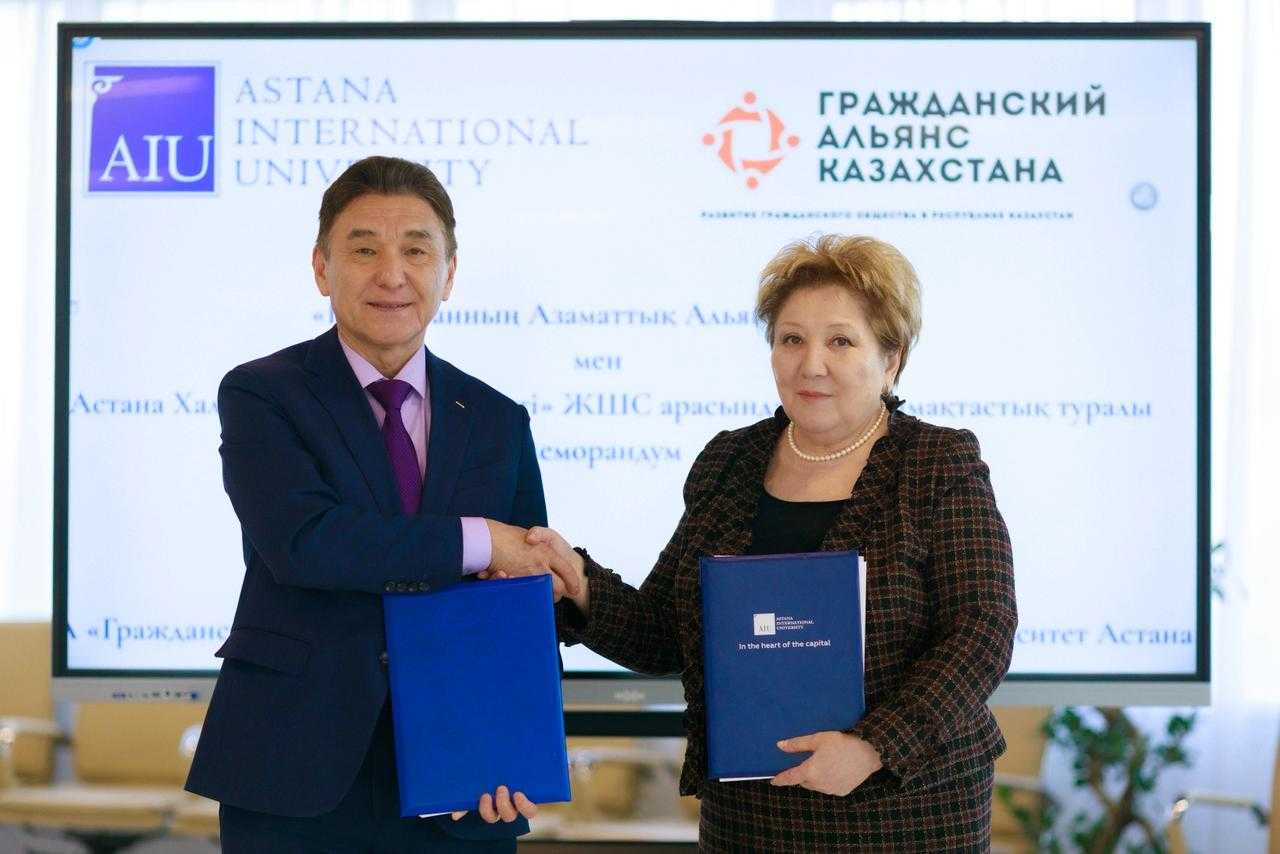
Astana International University and the Asian Academy of Sciences signed a Memorandum of Cooperation aimed at developing international scientific research, academic mobility, and joint educational initiatives.

The memorandum provides for the implementation of joint research projects, the exchange of scientists and young researchers, the organization of international conferences, seminars, and summer schools, as well as the preparation of analytical reports and expert recommendations. Particular attention will be paid to the development of publication activities, including the preparation of joint research articles and collective monographs.

The collaboration places particular emphasis on interdisciplinary research and the contribution of science and technology to achieving the UN Sustainable Development Goals. This approach reflects current global trends, where science is viewed not only as a source of new knowledge but also as a tool for addressing global socioeconomic and environmental challenges.

As noted in the document, the cooperation will be built on the principles of academic freedom, open science, mutual respect, and voluntary participation. Specific projects and their implementation mechanisms will be formalized in separate agreements, allowing for flexible consideration of the scientific priorities and capabilities of both organizations. In particular, one promising area is the creation of an Asian territorial intellectual property system. Such a system would ensure the international protection of scientific developments and inventions: a patent could be valid in 189 countries worldwide, providing authors with temporary legal protection for up to three years, and a single patent could cover 38 European countries. This opens up additional opportunities for engineers, researchers, and developers interested in commercializing and promoting scientific ideas internationally.