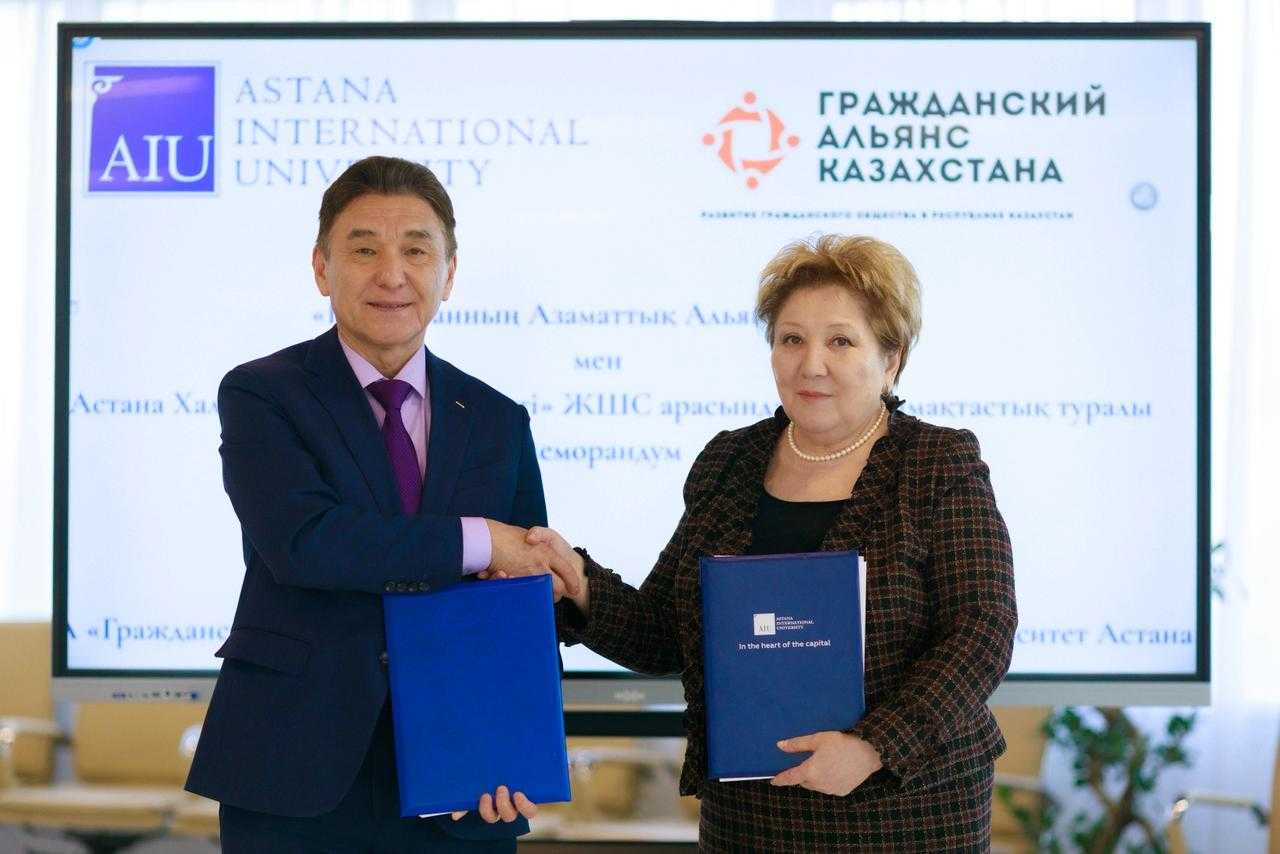


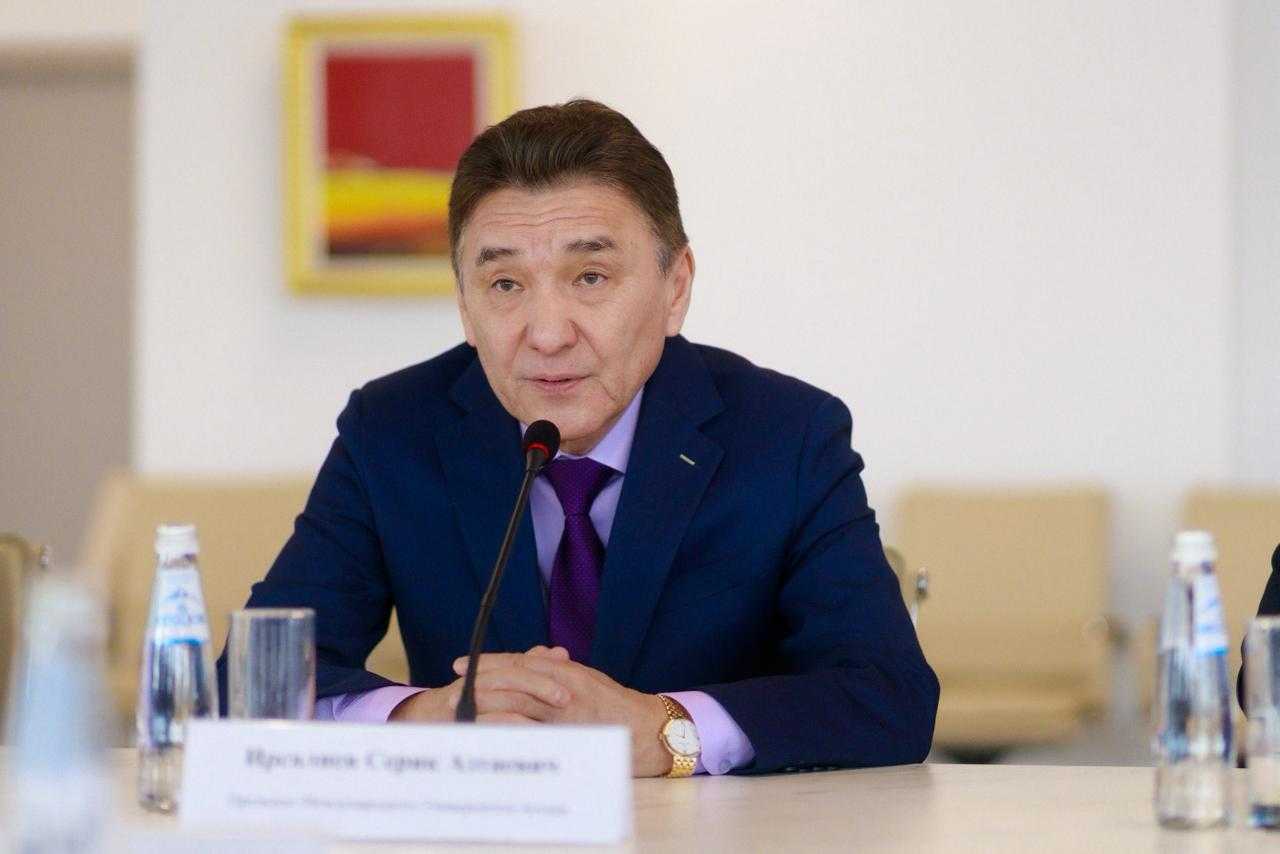
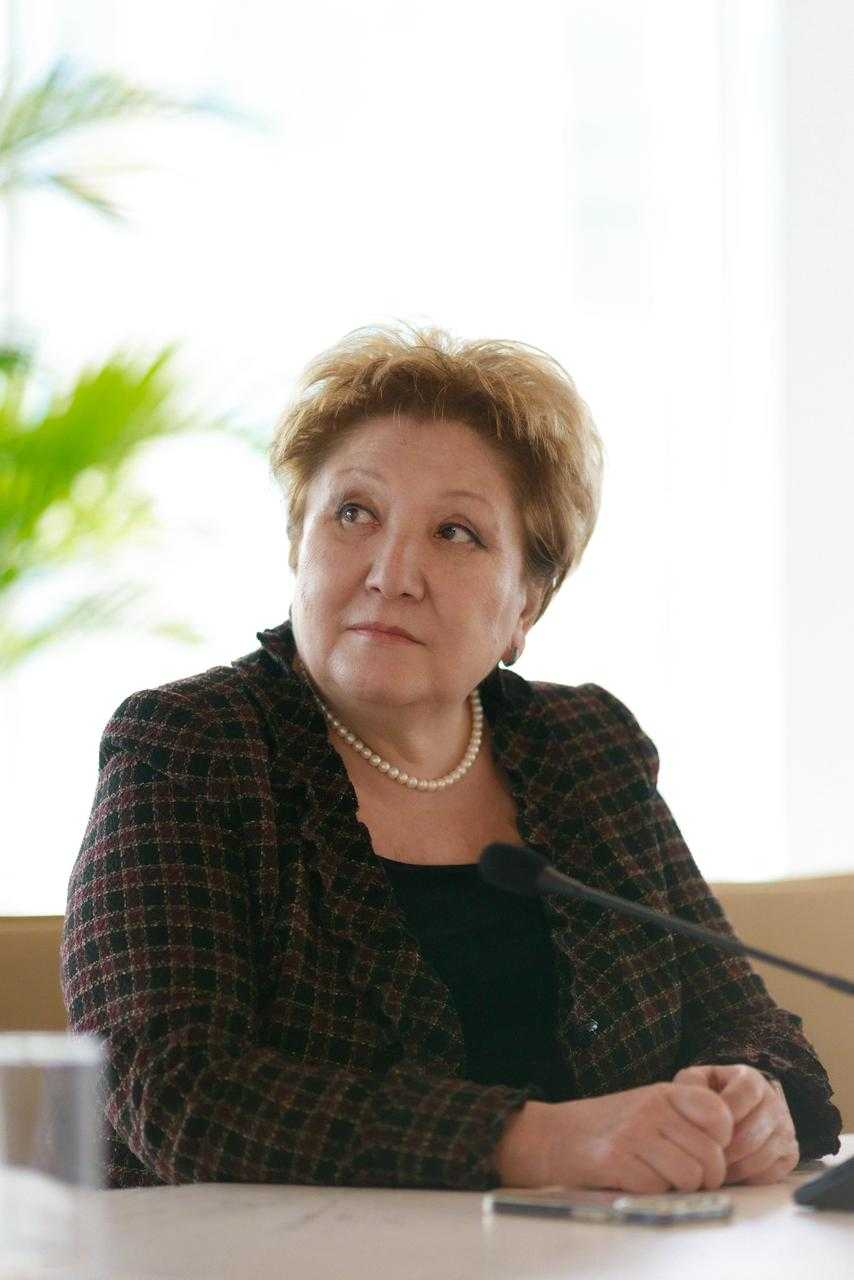

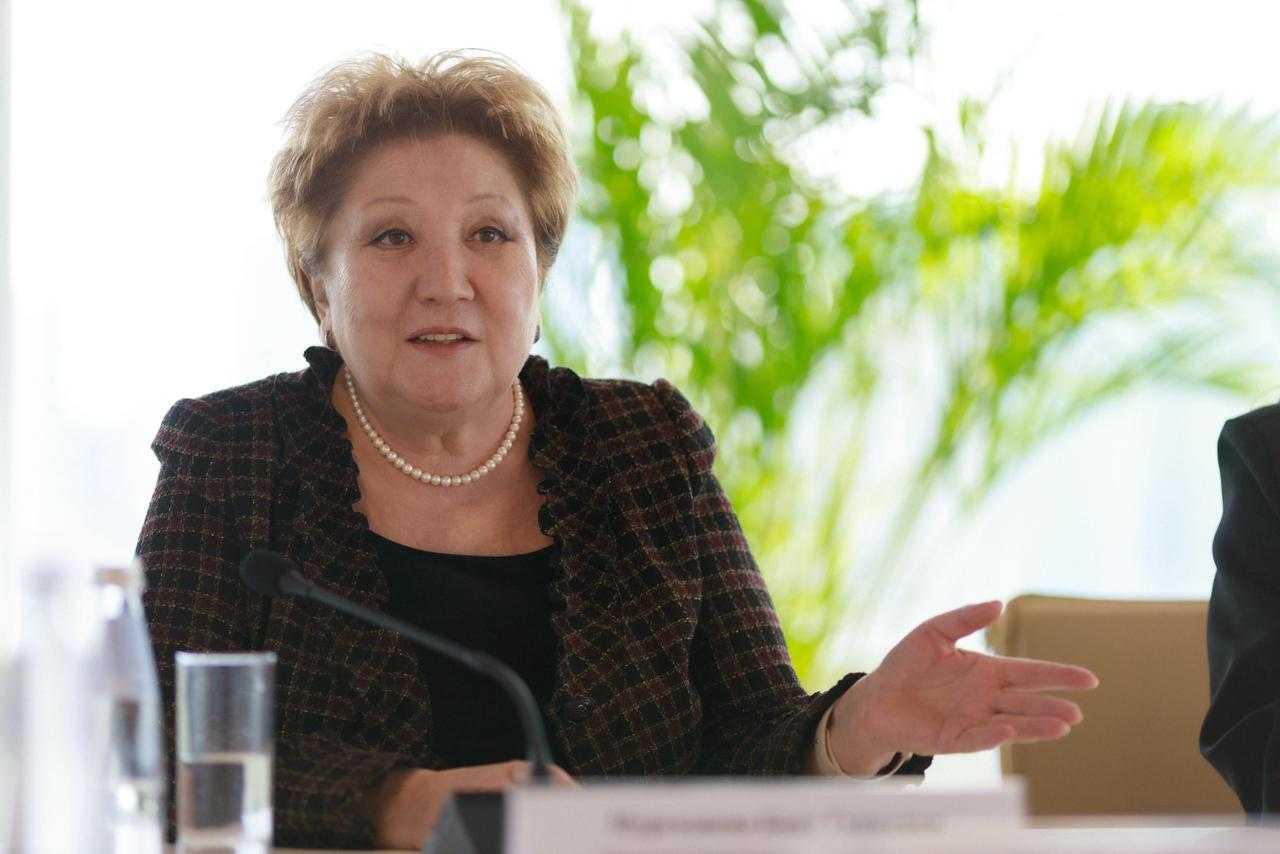
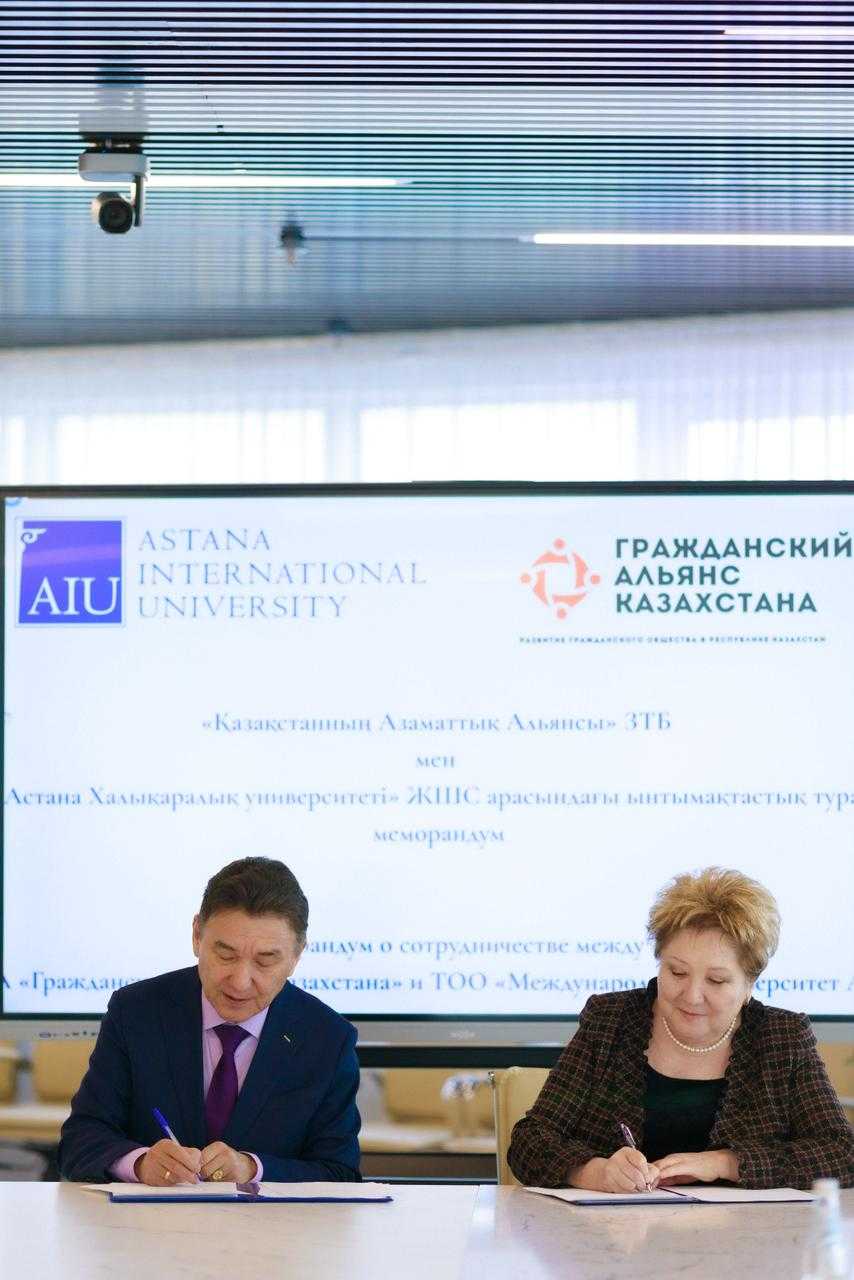

Our university recently hosted a significant meeting with Banu Ganievna Nurgaziyeva, President of the Civil Alliance of Kazakhstan (CAK). During the visit, the university's achievements and future development plans were presented, and concrete steps were outlined to strengthen the partnership between the academic community and the non-governmental sector.
Civil Alliance: From Confederation to Large-Scale Leadership
The Civil Alliance of Kazakhstan has a rich history. Founded in 2005 as an NGO in the form of a confederation, it initially brought together more than 80 organizations. Today, CAK is a powerful network represented by 20 civil leaders across all regions of Kazakhstan.
As Banu Ganievna noted, the modern non-governmental sector in Kazakhstan is a free and dynamic platform. The core principle of the Alliance is "Evolution, not revolution." The organization focuses on constructive development by conducting seminars and brainstorming sessions to find effective solutions to social challenges.
International Cooperation and Inclusivity
CAK’s activities extend far beyond the country's borders. It has established close partnerships with the Public Chamber of the Russian Federation and the All-Russian Association of Local Self-Government. An important pillar of their work is the Center for People's Diplomacy of Kazakhstan.
CAK pays special attention to creating an inclusive environment. A real-world example of this is the organization's office: the maintenance and updating of the CAK website is managed by a talented young woman with cerebral palsy, confirming the Alliance's commitment to the principles of equal opportunity for all.
New Horizons for Students and Researchers
Following the meeting, several promising proposals for cooperation between CAK and our university were announced:
Civil Leaders Forum: A proposal was made to invite regional leaders of the Alliance to the university for a large-scale forum. This will provide students with a unique opportunity to engage with practitioners who are actively driving change in the country.
Student Empowerment: CAK is already actively working with the youth. For instance, 16 students from the International Relations (IR) faculty have successfully completed internships at the Alliance, gaining valuable experience. There are plans to expand this program.
Support for Science: New opportunities for field research are opening up for doctoral students and researchers. CAK is ready to assist in organizing surveys and large-scale questionnaires on topical social issues.
Closing the meeting, both parties emphasized that the partnership between a leading university and the largest association of NGOs will serve as a driver for youth civic engagement and the strengthening of the country's intellectual potential.