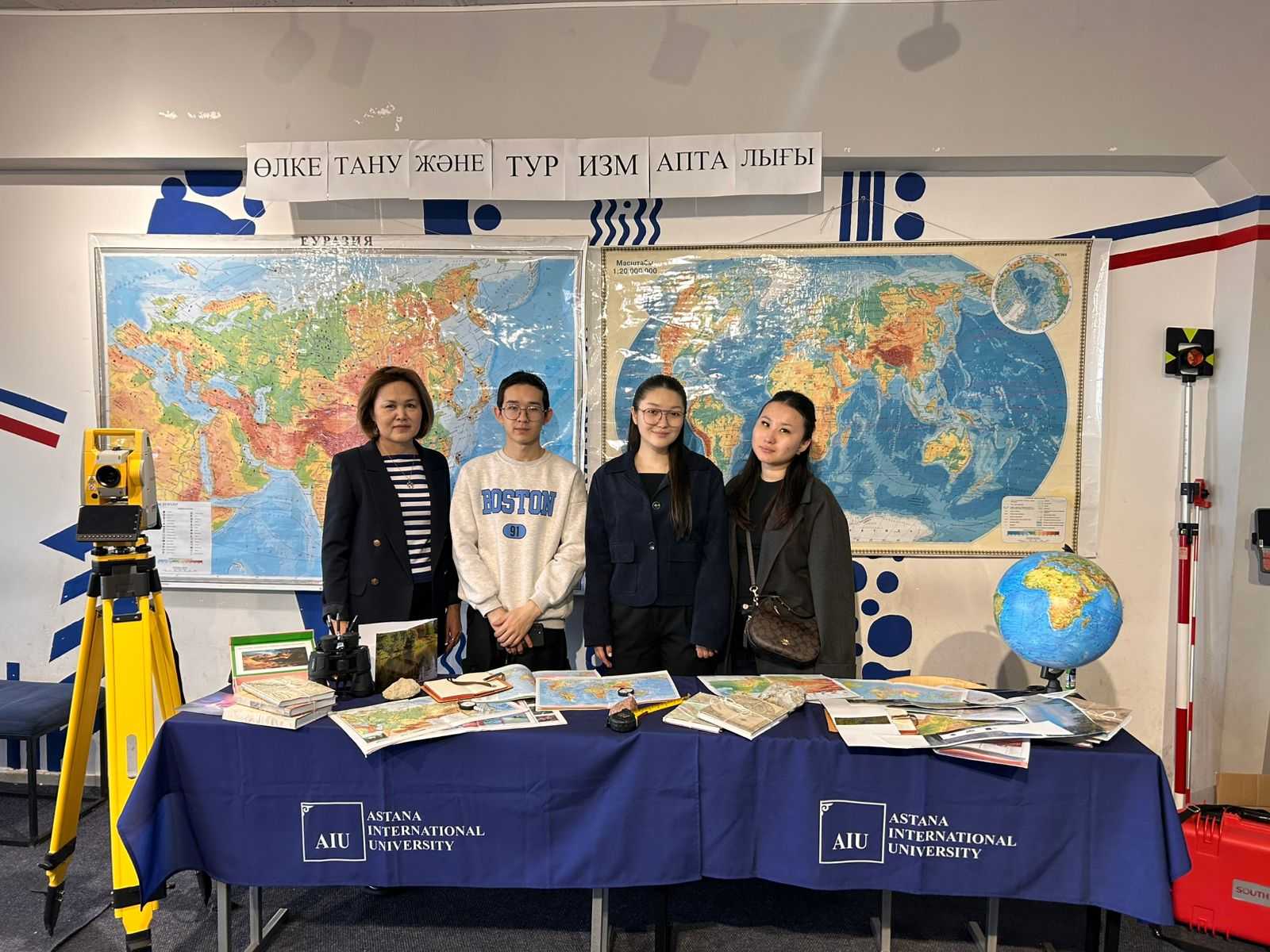
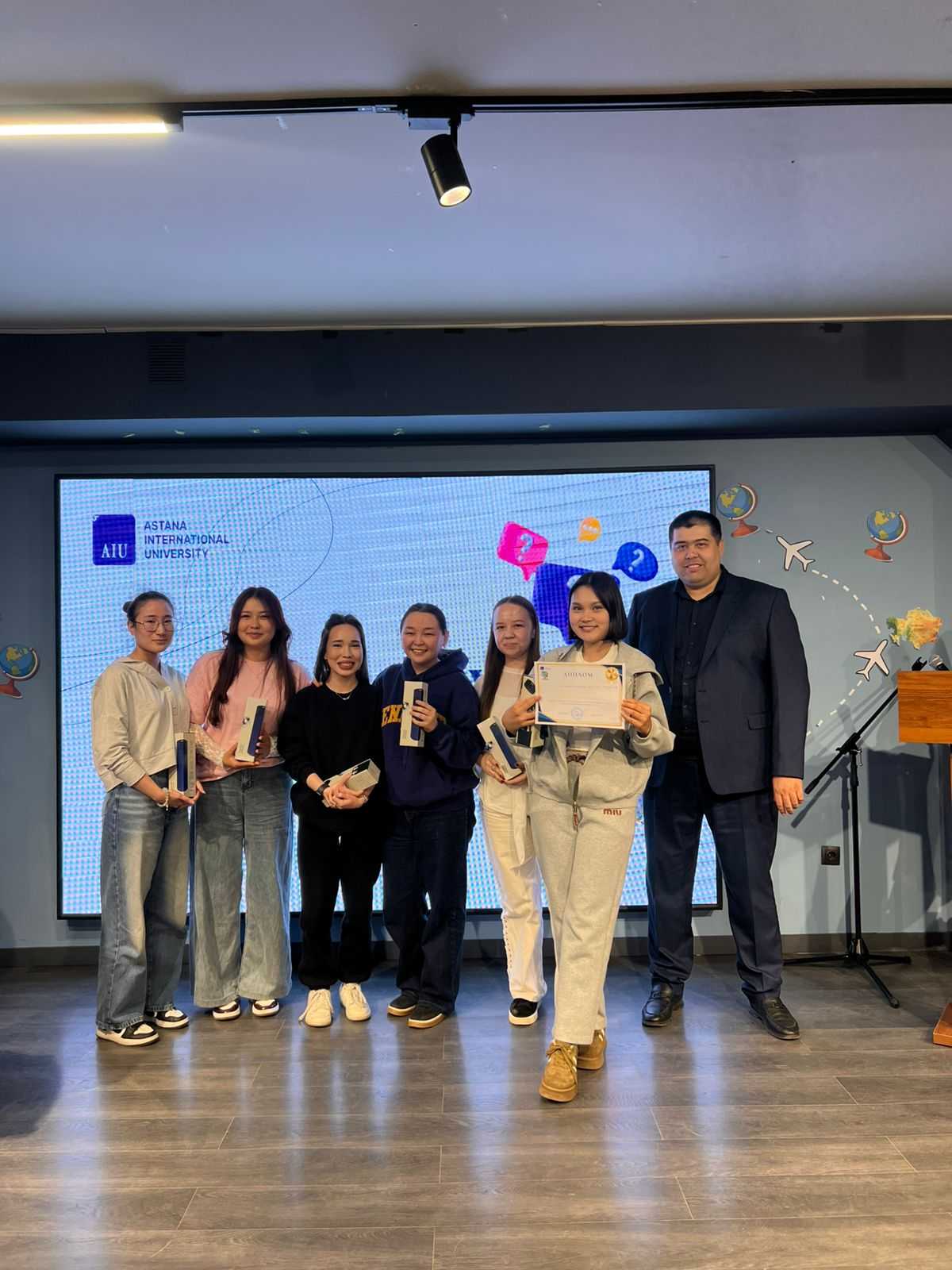
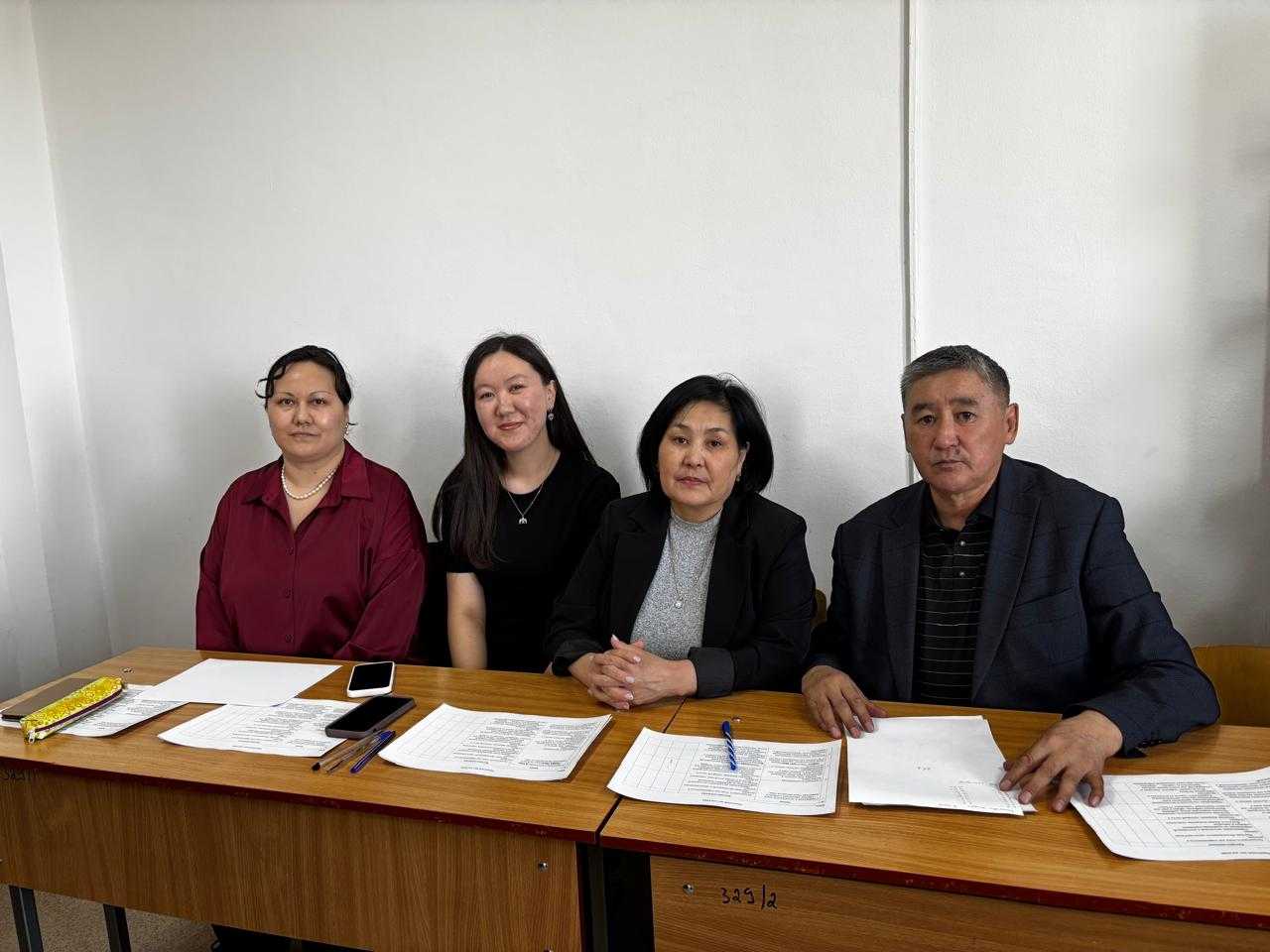
From March 30 to April 3, 2026, the Higher School of Natural Sciences at Astana International
University hosted the Local History and Tourism Week, organized within the educational
program “Recreational Geography and Tourism.” This event became an excellent platform for
students and faculty to exchange knowledge, ideas, and experience in the fields of tourism and
geography.
Day 1: Creative Start
The week began with a vibrant opening event where first-year students showcased their creative
abilities and took part in a tourism-themed teambuilding activity led by the NGO “Scouts of the
Great Steppe.” This event helped students get to know each other better and energized them for
the upcoming activities. The opening of the week was organized by Senior Lecturer of the
Higher School of Natural Sciences, S.A. Zhanabayeva, and Lecturer A.A. Amantay.
Day 2: Intellectual Quiz
Under the guidance of lecturers A.A. Amantay and A.R. Batyrbek, students from groups RG&T-
24 B and RG&T-25 B participated in an engaging intellectual quiz on regional studies and the
geography of Kazakhstan. The event demonstrated the students’ high level of knowledge and
their strong interest in the history and geography of their home country.
Day 3: Poster and Project Defense
Students from group RG&T-24 A presented and defended posters dedicated to World Water Day
under the supervision of Senior Lecturer, PhD A.A. Avezova. This activity helped students
develop their presentation and project defense skills. On the same day, students from group
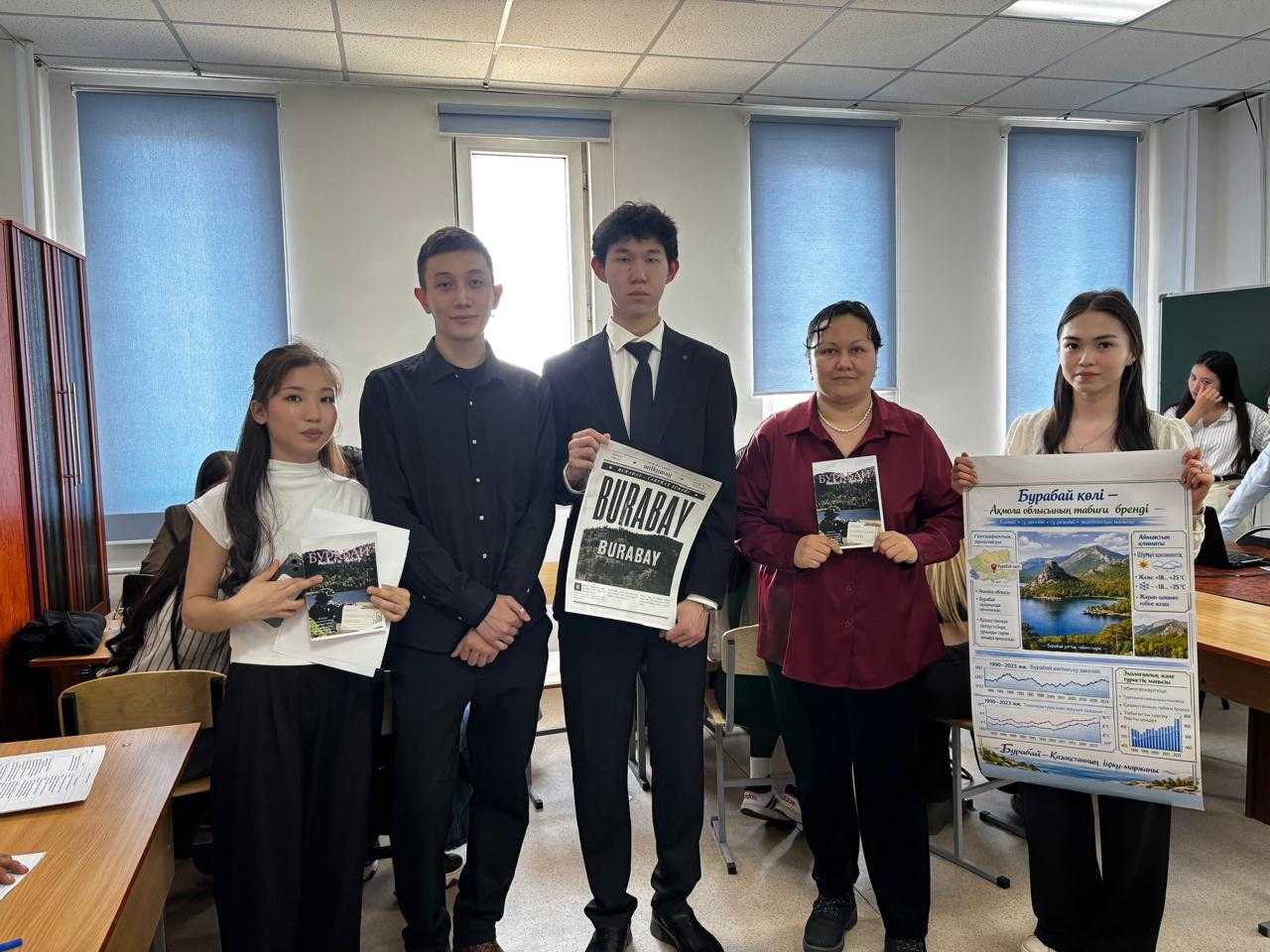
RG&T-25 A, guided by Lecturer A.A. Amantay, defended their projects as part of the
competition “Discover Qazaqstan: Regional Tourism Brand.”
Day 4: Open Lesson and Round Table
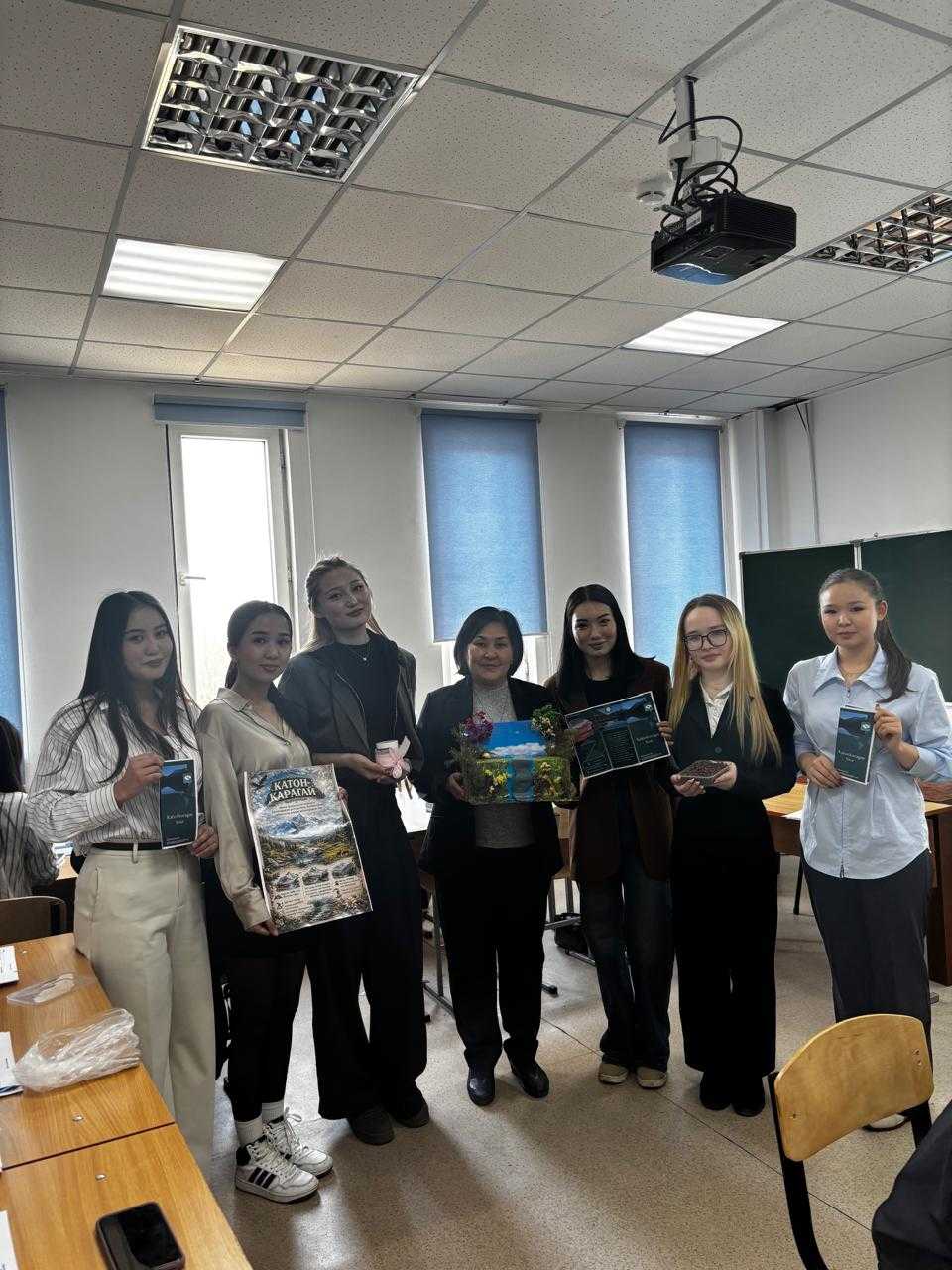
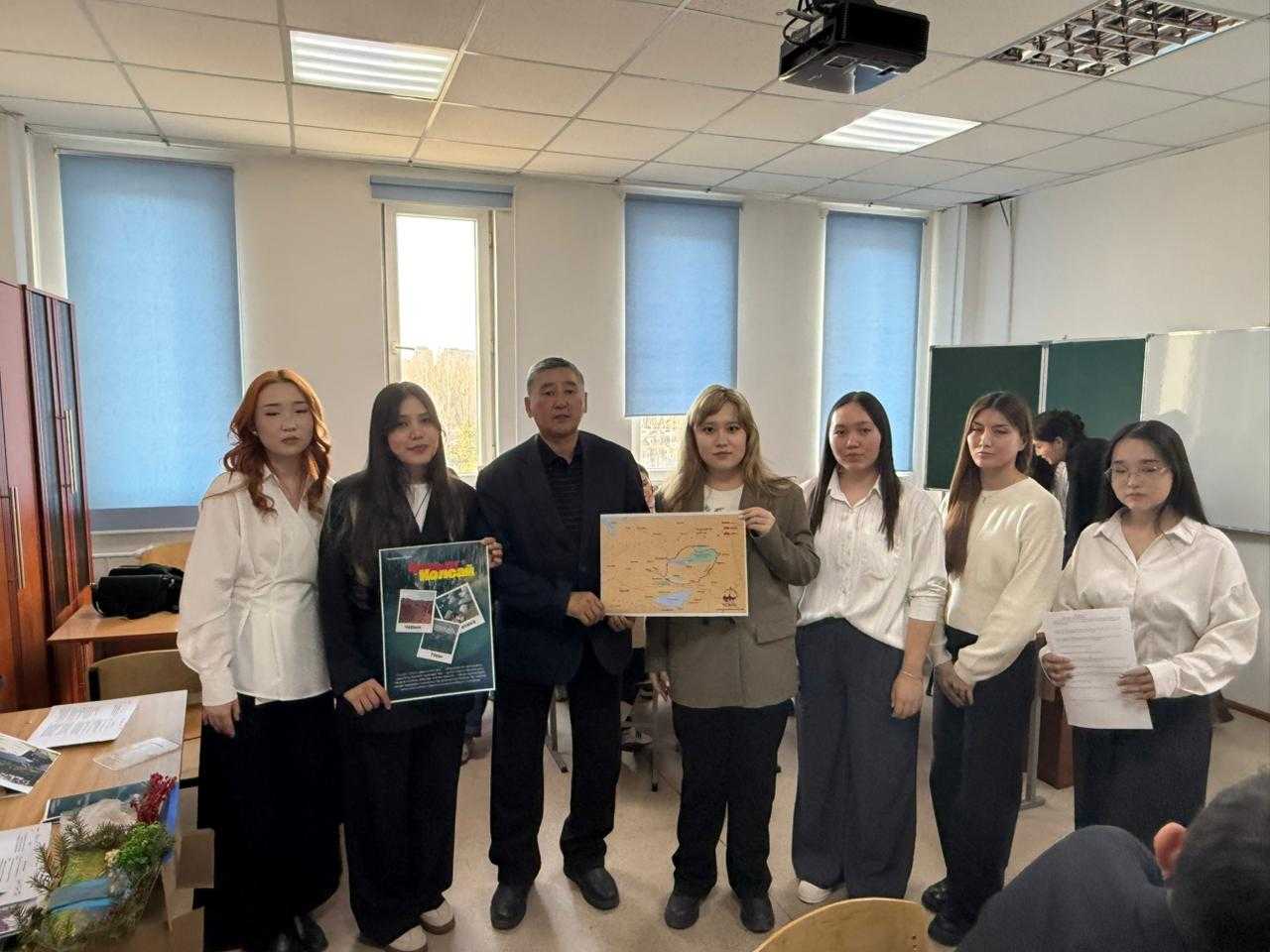
Senior Lecturer S.A. Zhanabayeva conducted an open lesson at a high pedagogical level, while
students from RG&T-23 B presented their projects on tourism destinations in Kazakhstan. Senior
Lecturer, Candidate of Biological Sciences N.S. Auezova, together with Lecturer A.A. Amantay,
held a round table session on the topic “Sustainable Tourism in Kazakhstan: Issues of
Recreational Load,” which helped students deepen their knowledge in this field.
Conclusion
The Week of Regional Studies and Tourism became an excellent example of implementing SDG
4 — Quality Education. Students had the opportunity to develop their skills, knowledge, and
practical experience in tourism and geography, as well as apply them in practice.
We express our gratitude to all participants and organizers of the Week of Regional Studies and
Tourism for their contribution to this event!