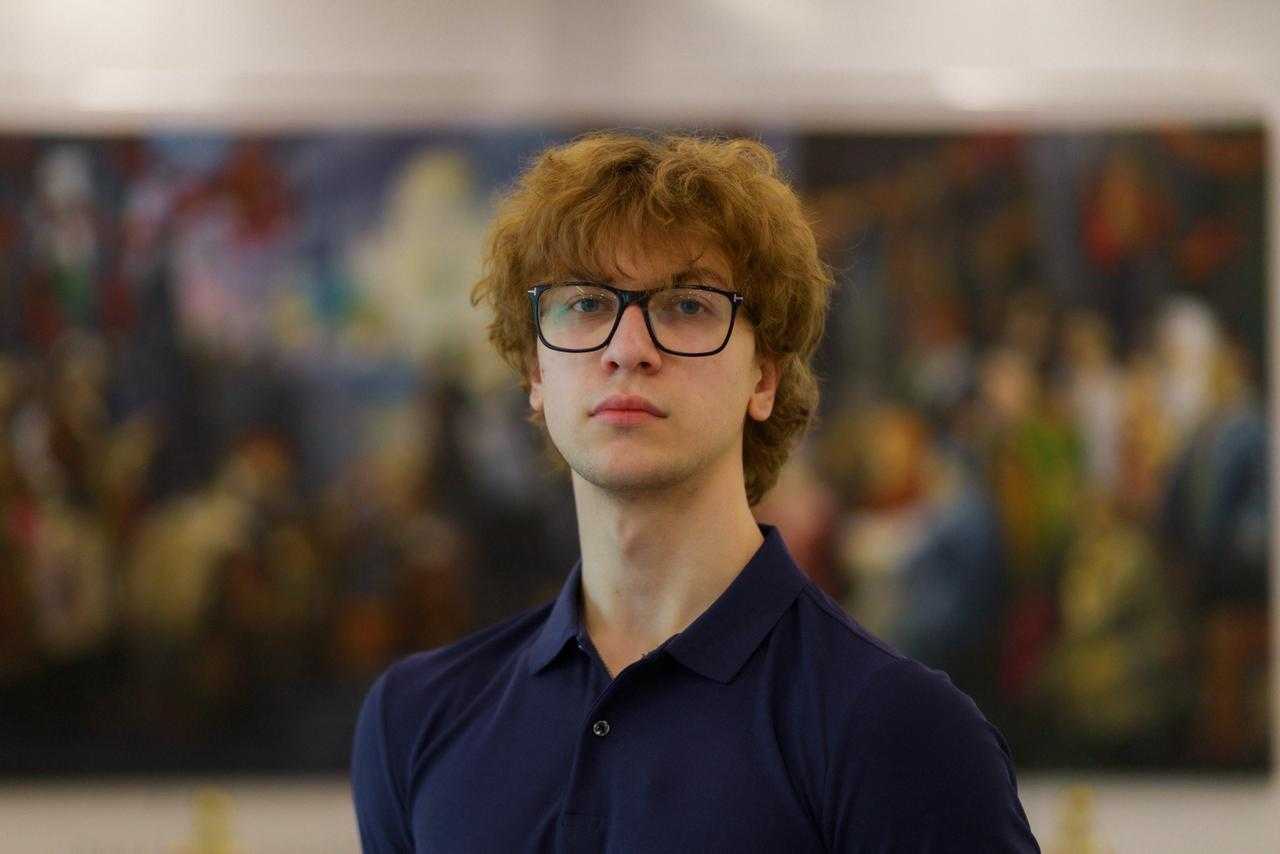

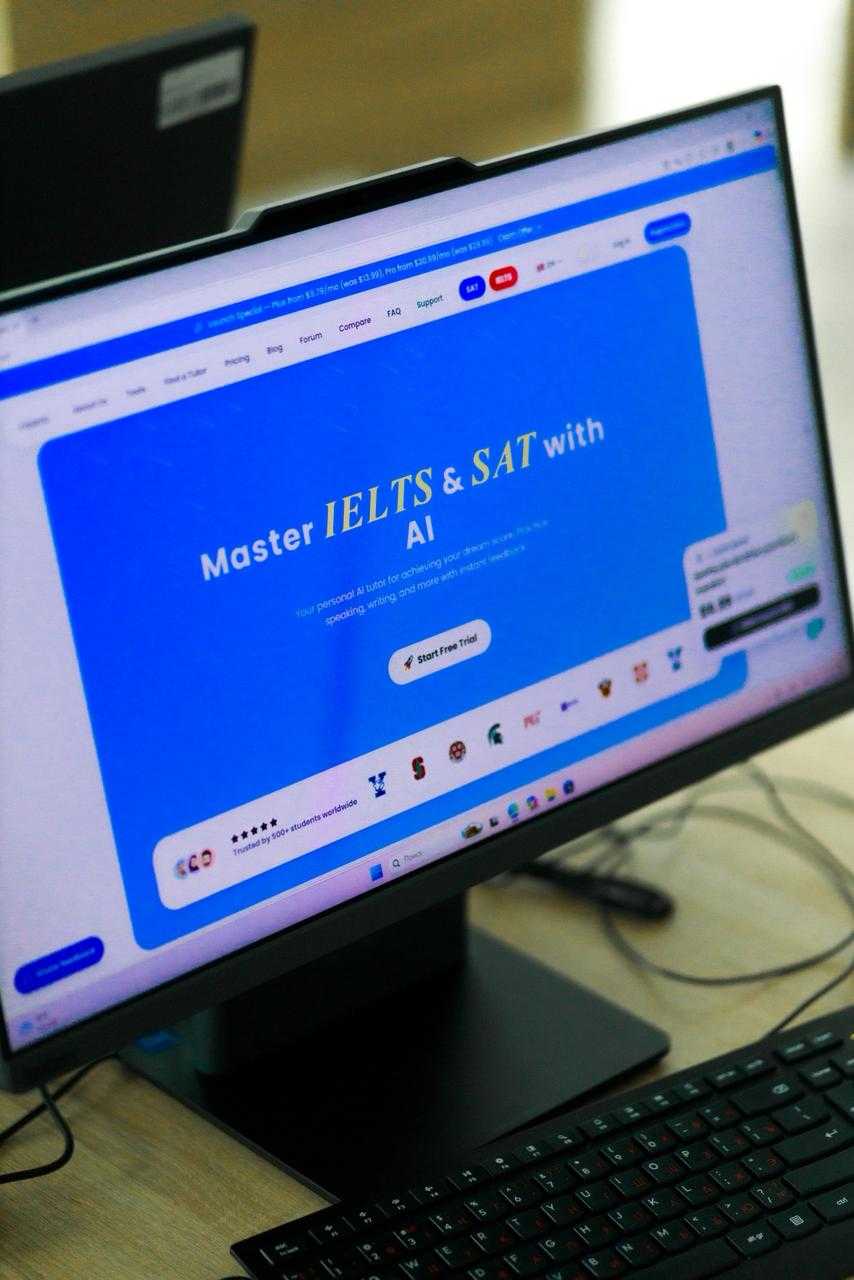

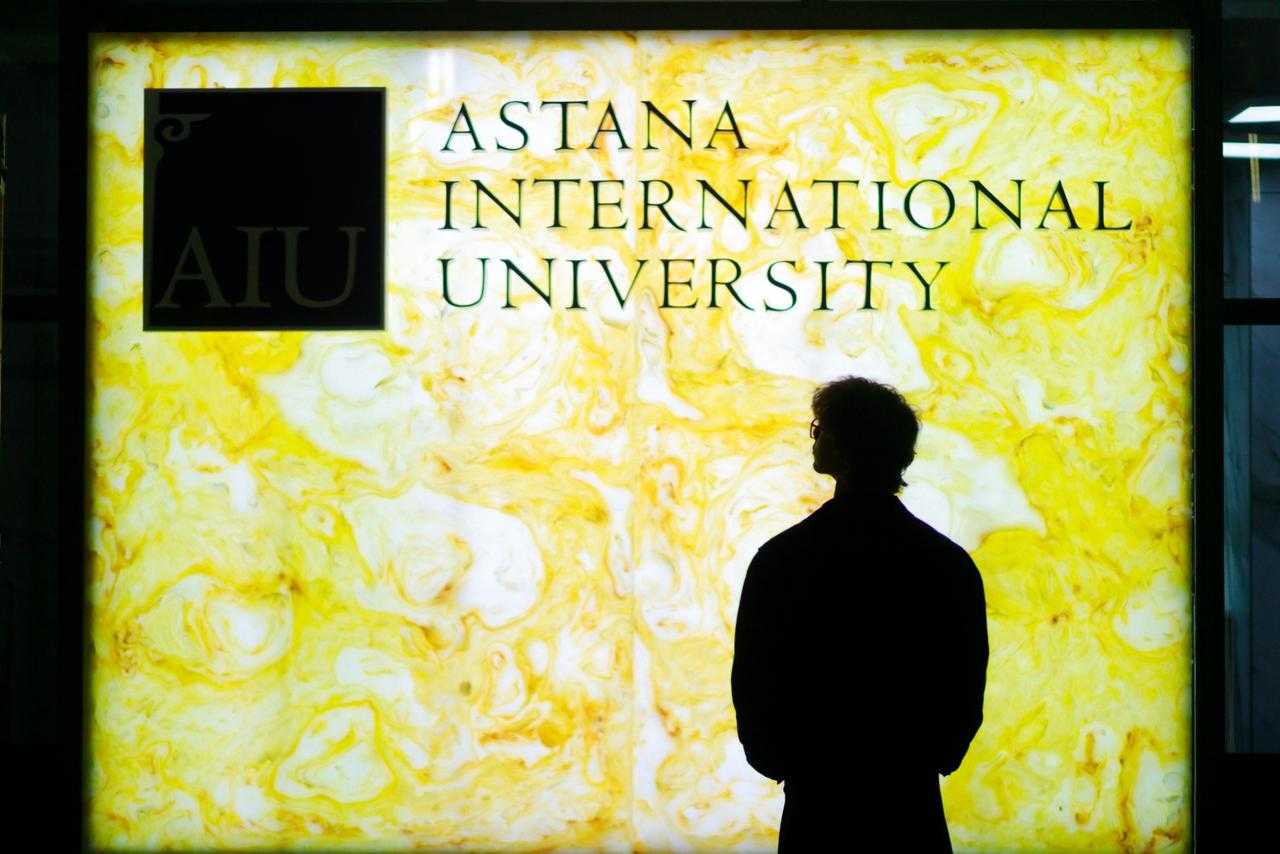
He is 19 years old, originally from Pavlodar, and while his peers are still adapting to student life, he is building an ambitious EdTech project. Mark Tsarenko, a freshman at Astana International University and founder of the Raava platform, shared in an exclusive interview how to replace a tutor with artificial intelligence, secure a grant from Google, and why being a "freshman" is the perfect cover for global expansion.
From Minecraft to Product Architect
It all started not with business plans, but with an intuitive attraction to technology. At five years old, it was the first keystrokes; at twelve, a total immersion into gaming worlds. But where others simply consumed content, Mark sought logic. "I didn't just play Minecraft or Fortnite; I analyzed: why is this engaging? How is it built?" he recalls.
This path was not a straight line. From creating games in Unity and programming in C#, he moved into 3D modeling, motion design, and UI/UX. At the time, it felt like a "detour," a waste of time. Today, it’s clear: this multidisciplinary experience allowed him to see the product as a whole—from the backend code to every single button in the interface. A red high school diploma, years of volunteering at the American Corner, and dozens of failed startup attempts became the foundation. The real "click" happened when Mark himself faced the barriers of preparing for the IELTS and SAT.
The Million-Score Problem
— Most students complain about the difficulty of exams, but you decided to build a platform out of it. What tool were you missing back then?
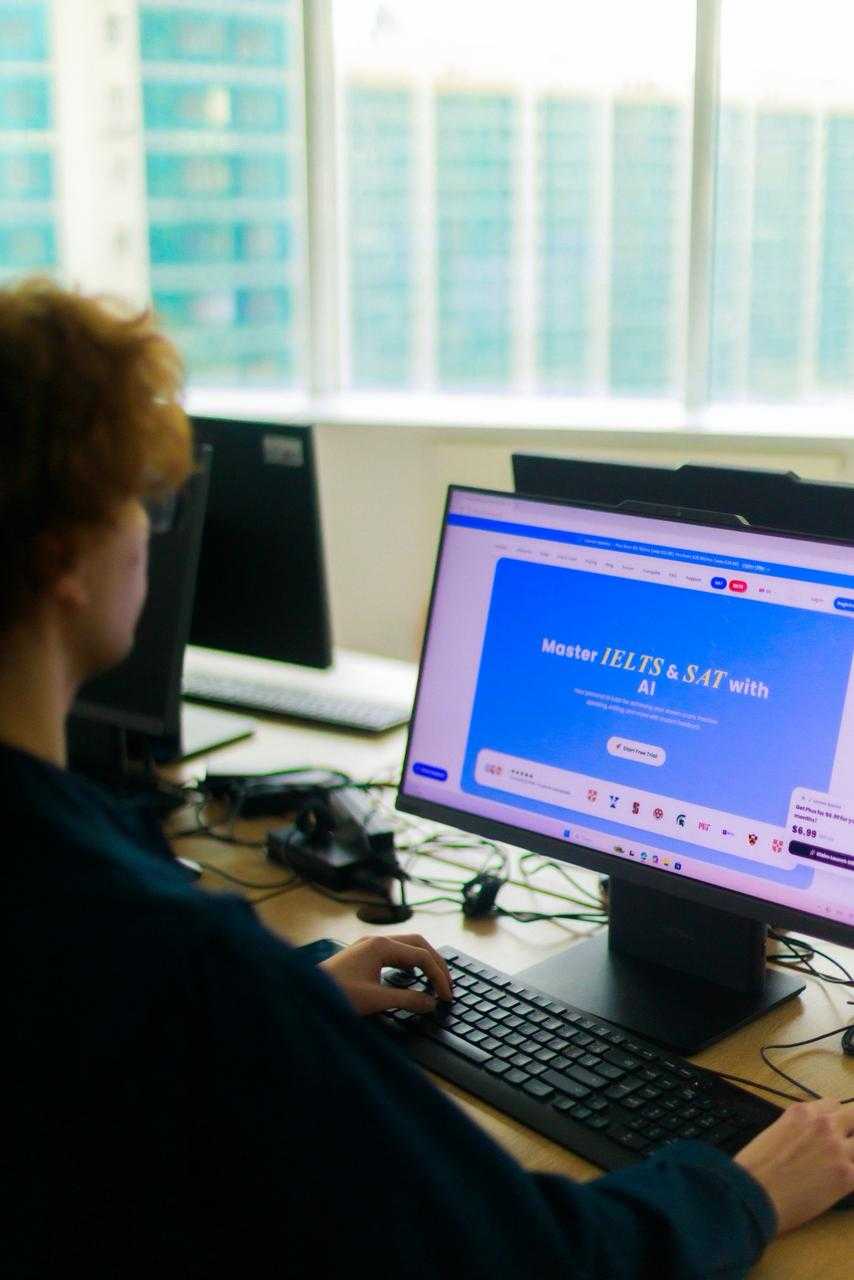
— When I was preparing myself, I hit a wall. To improve Writing and Speaking, you need an expert. But a tutor is expensive and slow. I was writing three essays a day and waiting three days for feedback. It killed my progress. Existing apps either gave a "hollow" score or just showed the correct answers. No one told you why you got a Band 6 instead of a 7. We needed instant, detailed, and honest feedback 24/7. That’s how Raava was born—an AI mentor that doesn’t just grade, but teaches.
— Everyone is talking about ChatGPT today. Doesn't it handle this task?
— ChatGPT is a "smart friend," but not an examiner. It doesn't know official IELTS criteria, its scores are often random, and the text it generates is easily detected as AI. Raava is trained specifically on the official grading systems: Task Achievement, Coherence, Lexical Resource. You get an exact score and a specific example of how to fix your mistake. But the "killer feature" isn't even that. Like Duolingo, we build an individual path. Raava sees your weaknesses and guides you through a preparation plan built specifically for you.
Cold Networking and Expansion to 50 Countries
Raava’s success wasn't the result of an expensive marketing budget. On the contrary, the founders admit that marketing is currently their weakest point, which they are only now beginning to strengthen. The first 150 active users and interest from Stipendium Hungaricum came through "smart" cold networking.
"We didn't send out template emails. We looked for specific people who already had an audience of students preparing for IELTS: scholarship coordinators, heads of prep centers. We offered them value for their students rather than a sales pitch. As a result, our user geography expanded to 50 countries during the beta-test period," Mark shares.
— Recently, the project received support from Google in the amount of $2300. Where will these resources go?
— This is primarily for infrastructure. API requests to language models that process Speaking and Writing in real-time are expensive when scaling. These credits allow us to scale and experiment with model improvements without immediately raising prices or cutting functionality.
Pitching Against Prejudice
Being a founder at 19 is a special kind of challenge. According to Mark, the hardest part is fighting through the first 30 seconds of a meeting, when investors see you just as a "freshman with a hobby."
"I learned not to talk about age. No 'young founder' talk. Just facts: the product is live and unique, 150+ users, 50+ countries. After the numbers, the conversation changes. The hardest part isn't the pitch; it's maintaining confidence when you're told to 'come back in a year when you've grown up.' I don't wait; I act."
Global Goal: A Ticket to a New Life
The IELTS and SAT market involves over 5 million people a year. For residents of Kazakhstan, Uzbekistan, Nigeria, or Pakistan, this exam is literally a ticket to a new life and the opportunity to receive a world-class education.
— What ambitious plans do you have for the coming year?
— We are focusing on two specific things. First, 10,000 active users who return every week. Second, strategic partnerships with prep centers and study abroad agencies in five key countries. We want exam preparation to become as much of a habit as checking your phone in the morning, making quality learning accessible to everyone.
— What would you say to those who are currently sketching a prototype in a notebook and are afraid to start?
— Don't wait for the perfect moment or for graduation. Raava was born from my own pain. If you feel a problem from the inside, you already have an advantage. Just start. Build the first working version for five people; if it solves their problem, monetize it. Fourteen years have passed from my first keystrokes to this EdTech platform. I’m a freshman at AIU, and I’m not stopping.
Mark is not just a talented developer, but also an incredibly bright, deep, and goal-oriented individual. His example proves that for great achievements, one does not need to wait for "adult life"—it is happening here and now. We are sincerely proud that students like him choose our university, and we wish Mark nothing but grand success and global horizons!
This material opens our new cycle, THE PERSON — a project about the people who create the face of our university. Ahead of you are stories of the most interesting personalities at AIU: from breakthrough students to inspiring staff and faculty.
To be continued. Stay with us to meet the heroes of our university!