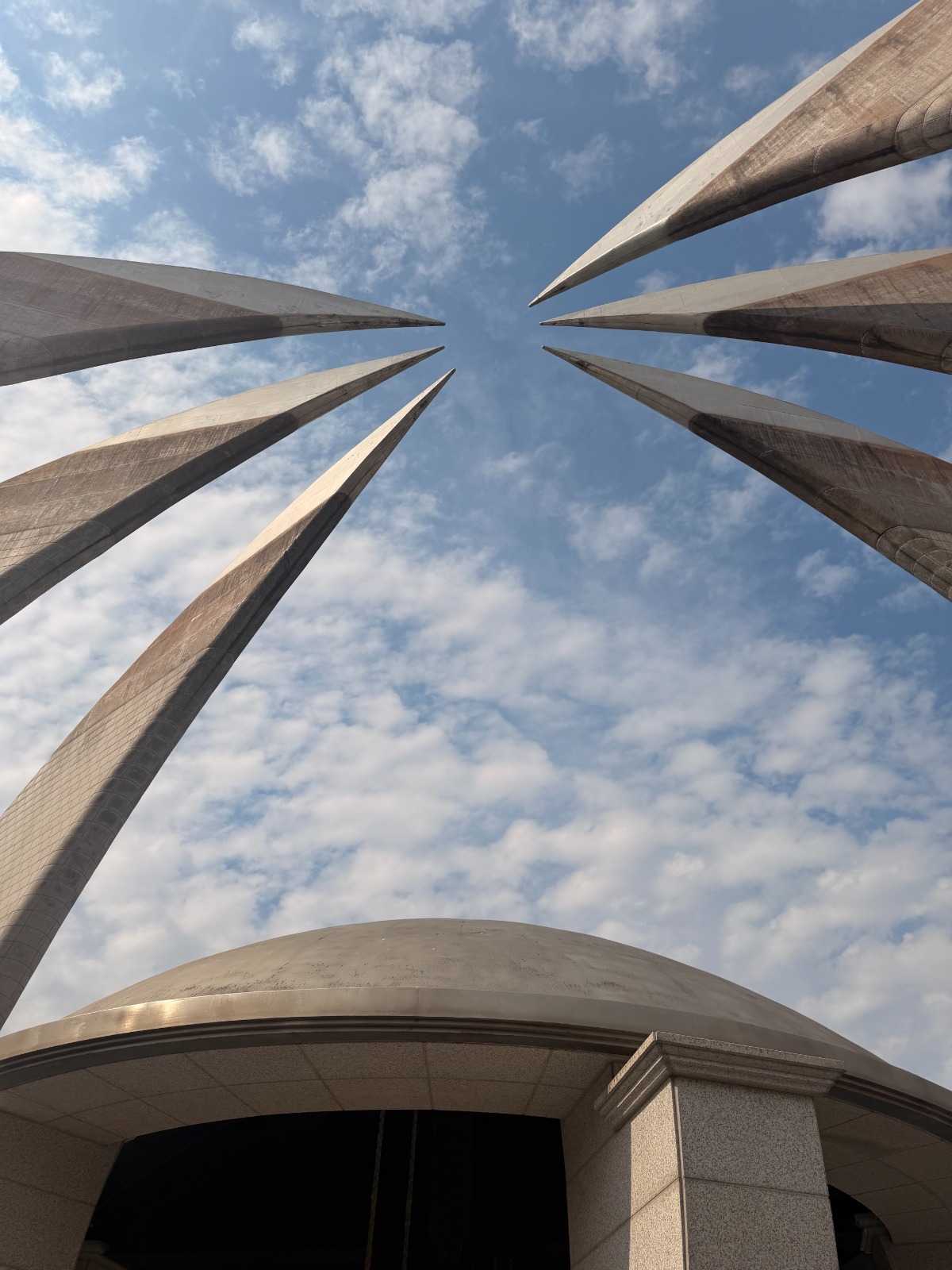
On September 13, 2026, a
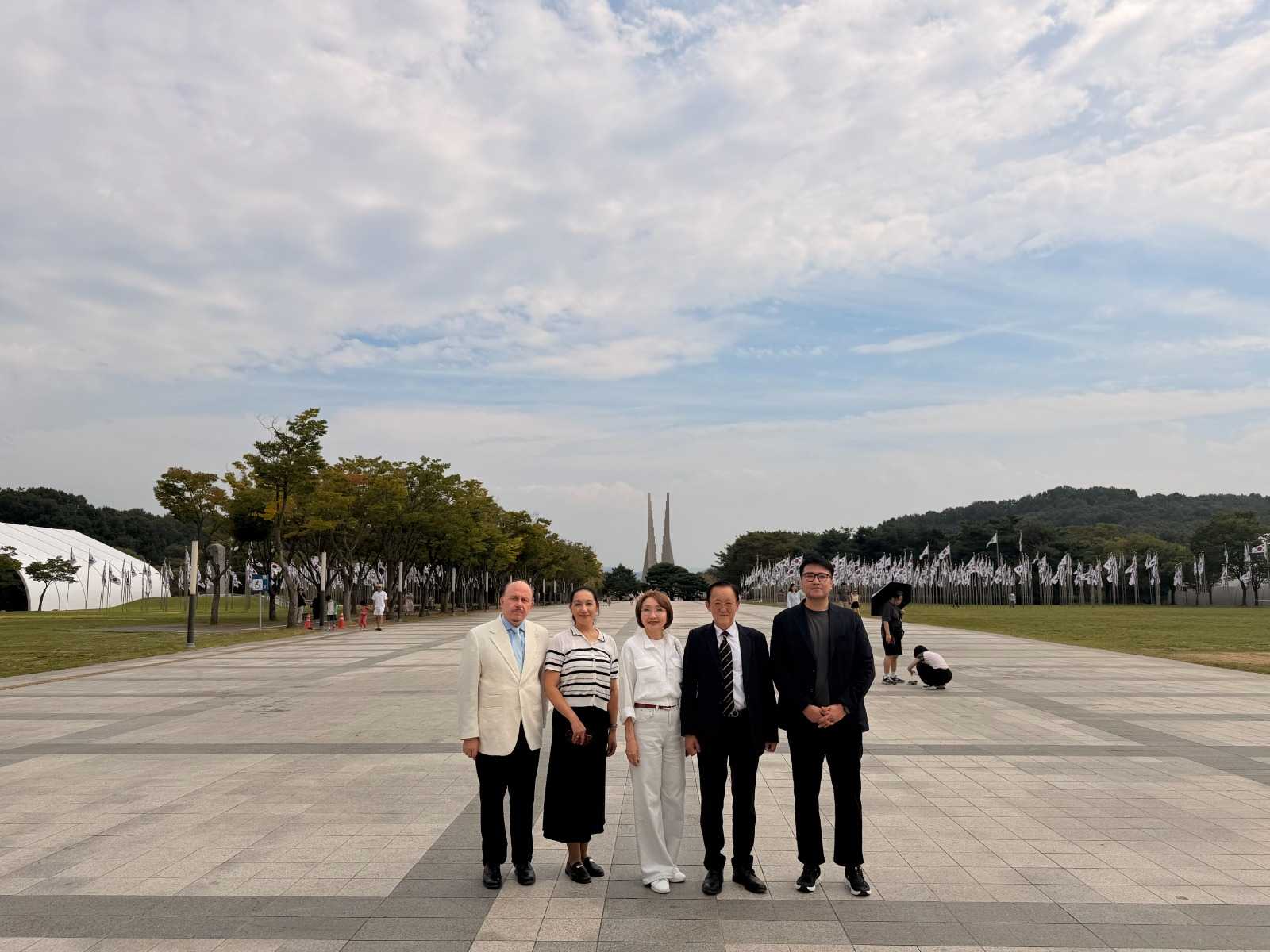
delegation from Astana International University, led by Rector A. B.
Myrzagaliyeva, visited one of the most significant sites of memory for the
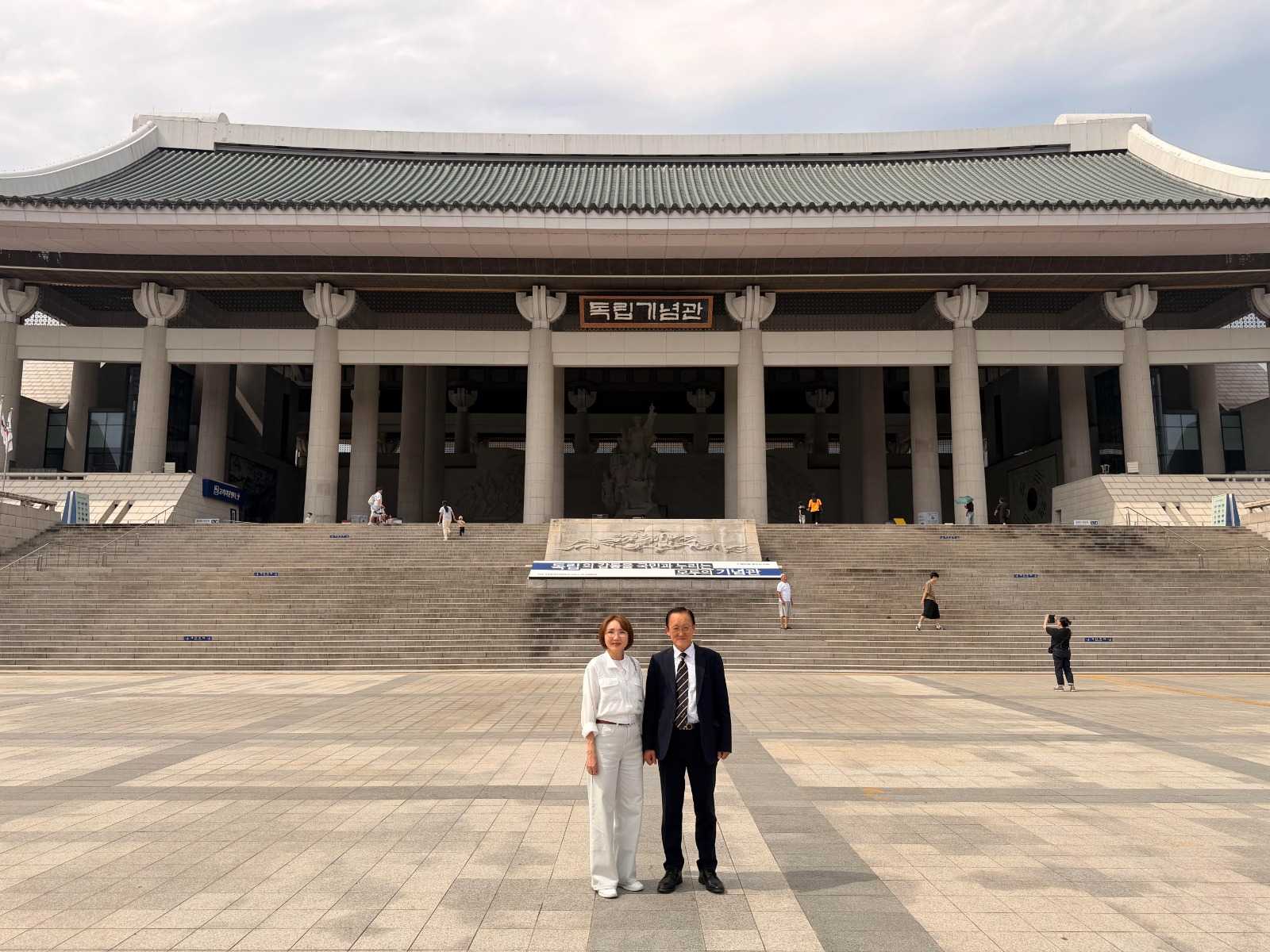
Korean people– Independence Hall of Korea, located in Cheonan,
Chungcheongnam-do Province, South Korea.
Independence Hall is far more
than a museum. It is the living memory of a nation that managed to preserve its
dignity, language, culture, and national identity. Within its walls, the pain
of loss merges with the joy of liberation, sorrow for the past with pride in
the country, and the courage of ancestors with the hope of future generations.
From 1910 until the end of World
War II, Korea was under Japanese occupation. This prolonged and tragic period
left a deep mark on the destiny of the nation and the memory of its people.
Construction of the Independence Hall of Korea took place in the 1980s, and its
grand opening was held on August 15, 1987– the day the Korean people annually
celebrate Liberation Day.
For the AIU delegation, visiting
Independence Hall was not only an introduction to Korean history, but also a
moment of deep reflection on the value of freedom, the strength of national
unity, and the responsibility each generation bears toward the past and the
future. History lives on as long as it is remembered. A state preserves its
spiritual foundation as long as it honors those who fought for its freedom. By
passing this memory down to the younger generation, a nation preserves not just
the artifacts of bygone eras, but itself– its name, its language, and its right
to look confidently into the future.
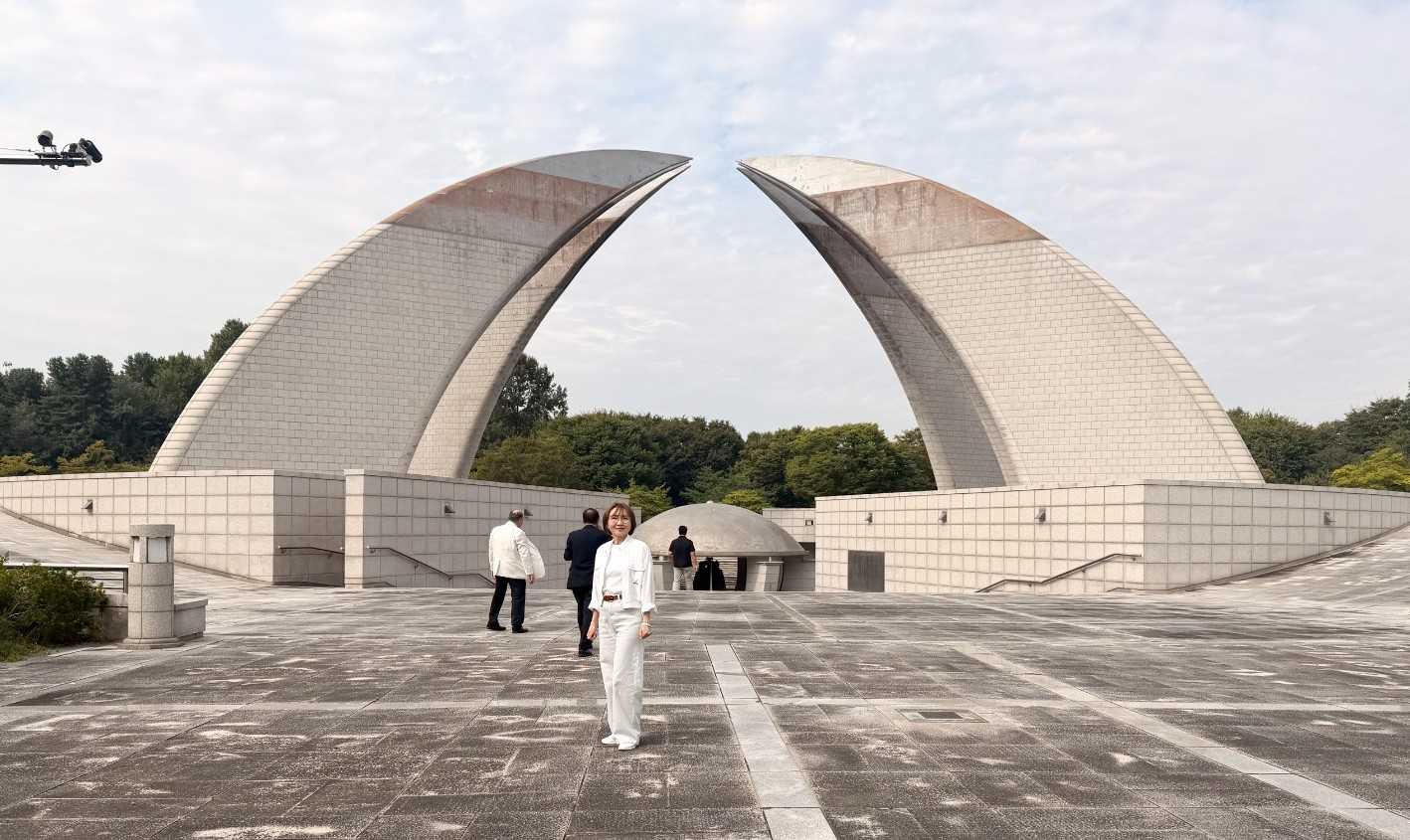
Members of the delegation were
particularly impressed by the majestic Monument to the Nation, the Grand Hall
of the Nation, the "Indomitable Koreans" sculpture, as well as the
models of dolmens and Bronze Age megalithic stone tombs.
The picturesque surrounding
natural landscape adds profound symbolism to Independence Hall. The spacious
grounds are immersed in greenery, trees, and flowering plants that fill the air
with a remarkable sense of freshness, harmony, and renewal. Against the
backdrop of stories depicting the arduous struggle of the Korean people, this
flourishing nature feels like an extension of the museum's core philosophy:
even after the most tragic trials, life is reborn, and the memory of the past
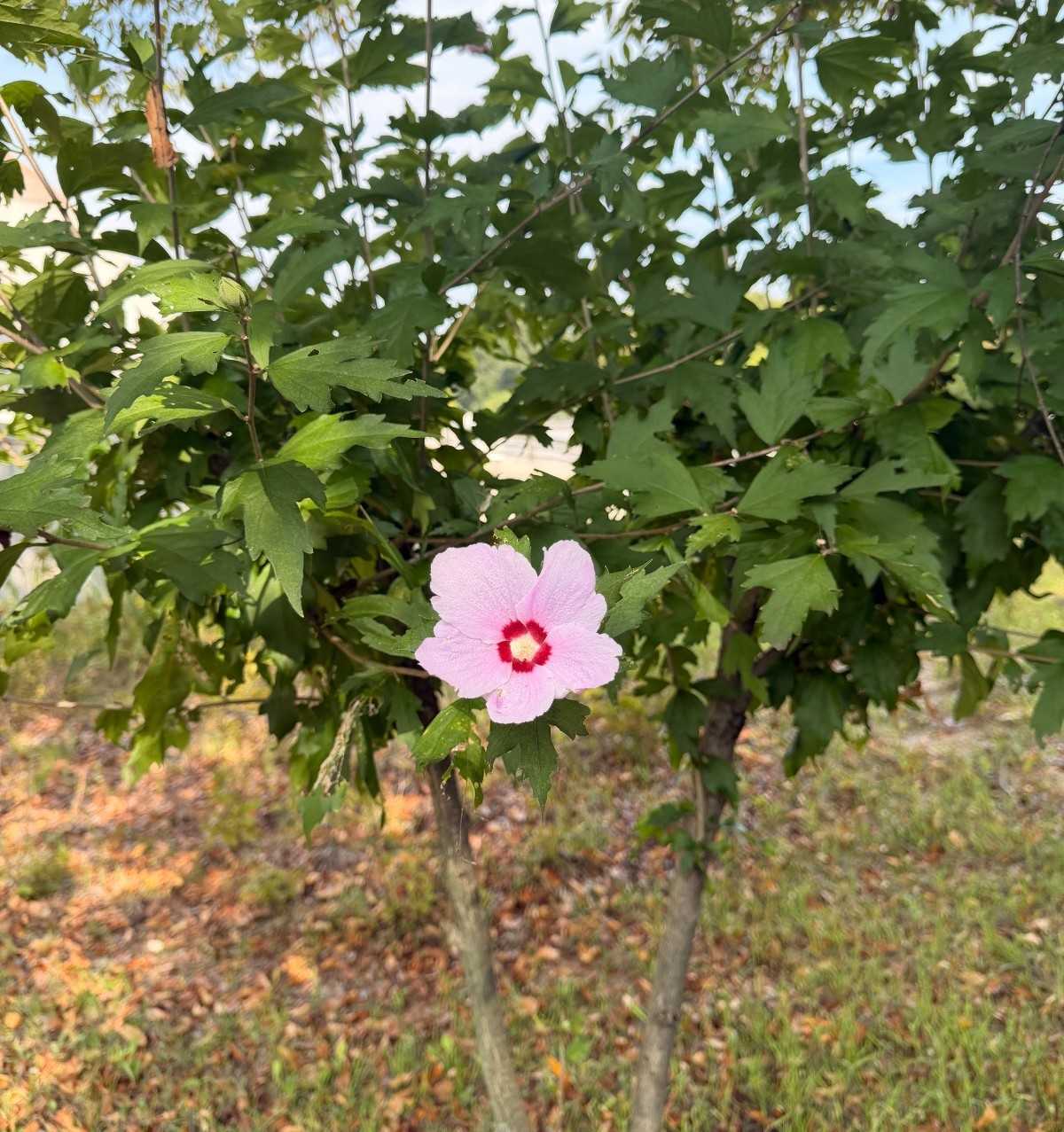
becomes the foundation of faith in a peaceful and free future. The finishing
touch to this evocative image is the mugunghwa– the hibiscus flower – found
throughout the grounds, symbolizing Korea's unyielding resilience, spiritual
strength, and unfading beauty.
Astana International University
expresses its sincere gratitude to Mr. Kim Hyung-sik, a member of the founding
board of the Independence Hall of Korea, for his exceptionally warm welcome,
insightful tour, and the opportunity to view the museum’s unique exhibits. The
fruitful dialogue regarding the role of historical memory in preserving
national identity, native language, folklore, and cultural uniqueness was of
particular value.
The university extends special
thanks to Professor Eugene Lee for the excellent organization of the visit,
comprehensive support provided to the delegation, and high professionalism in translation.
This day will remain in the
memories of the delegation members as an encounter with a history that speaks
not only of the past. It serves as a reminder to us all that independence is an
invaluable legacy won by the courage of our ancestors, and a great
responsibility that we must carefully pass on to future generations.