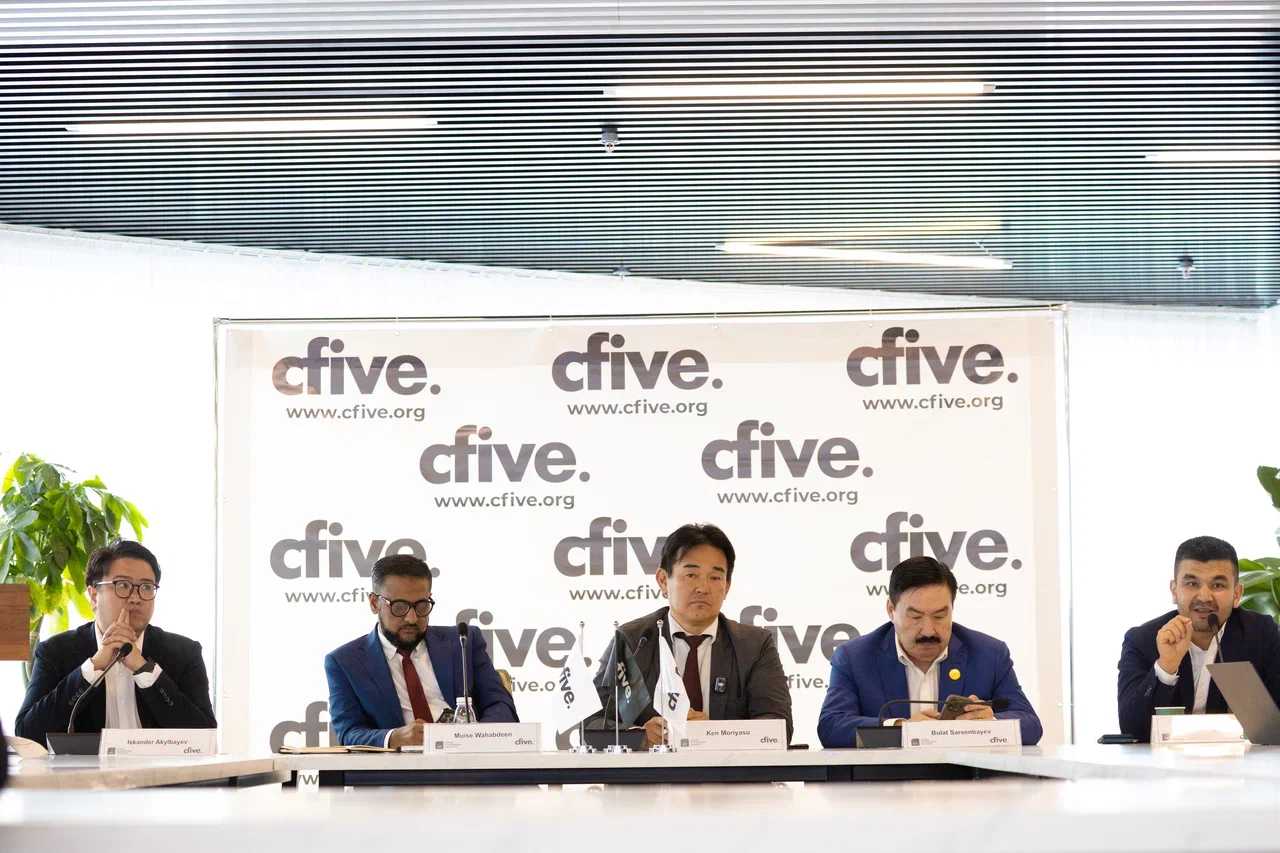
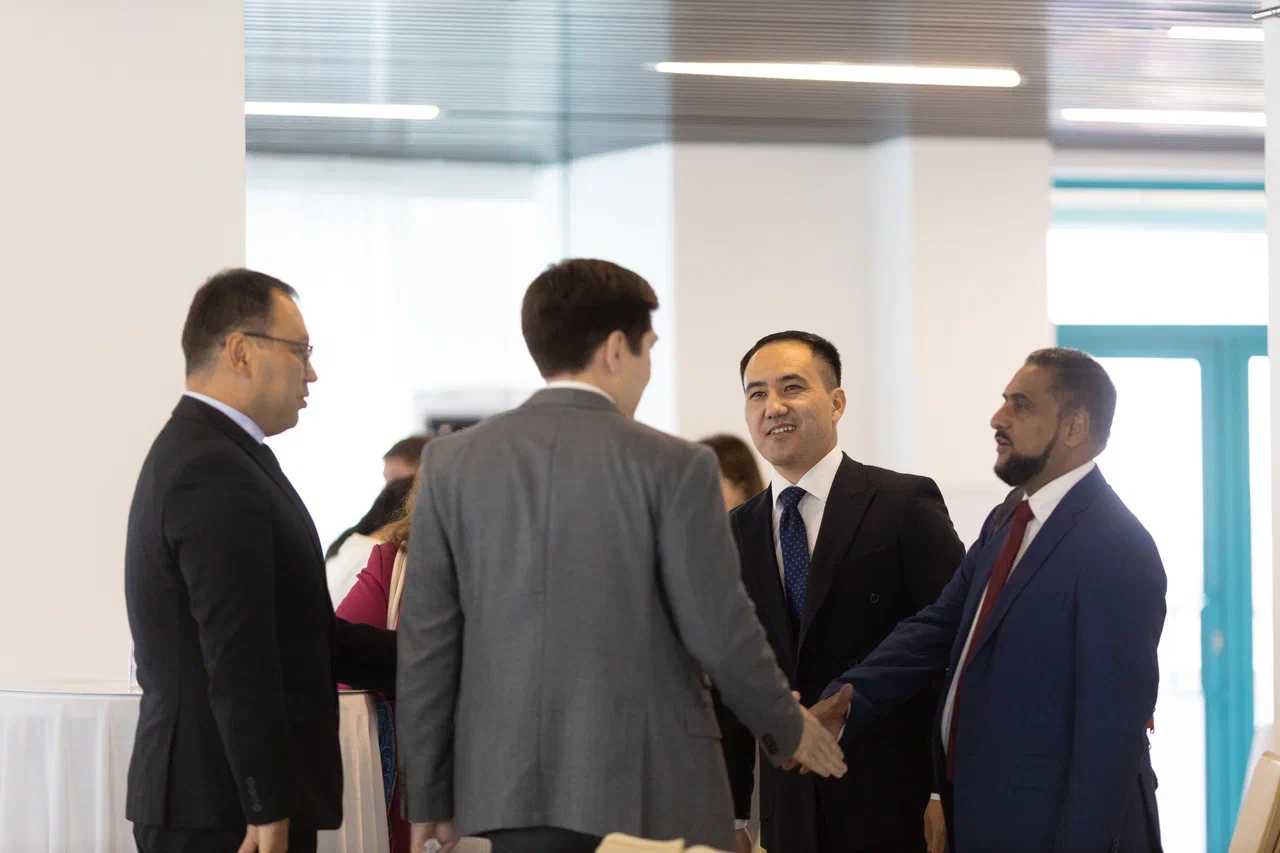
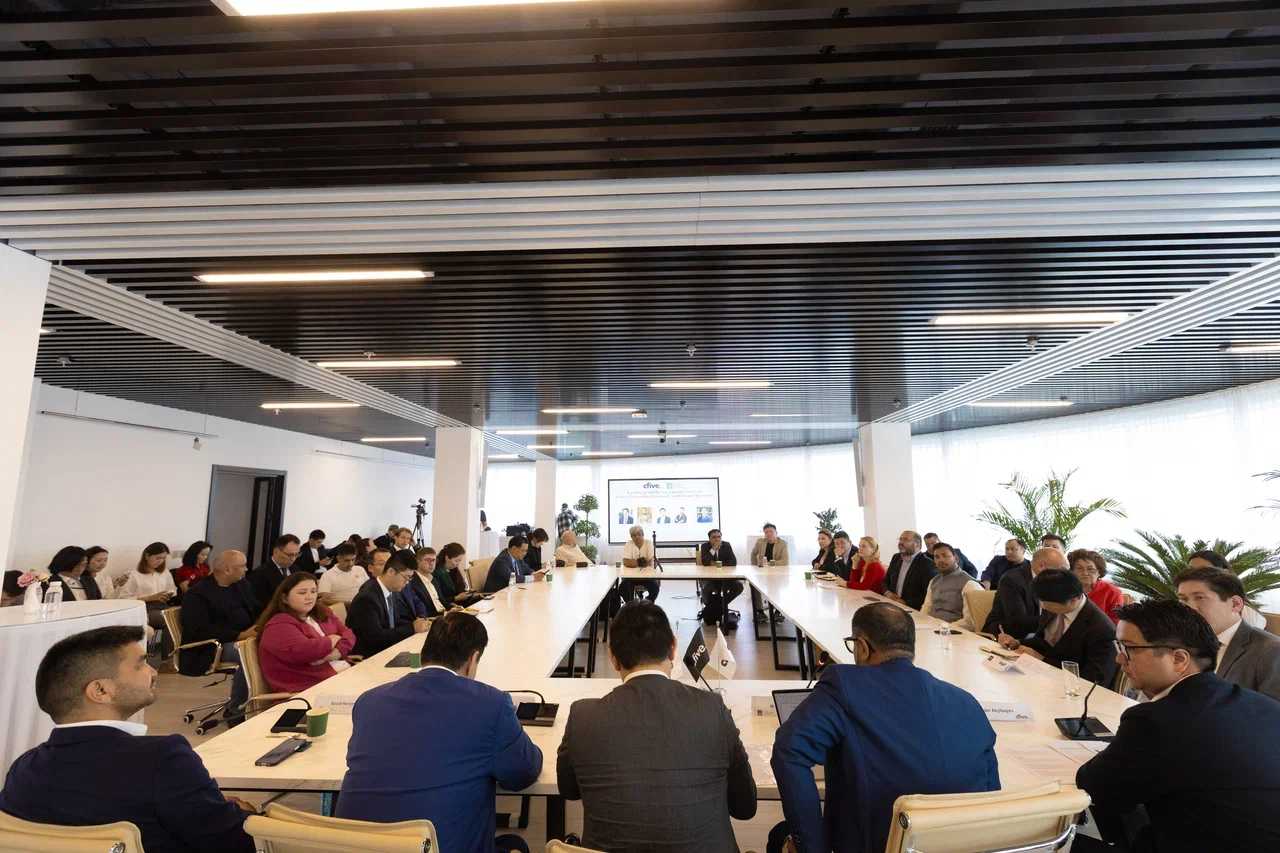
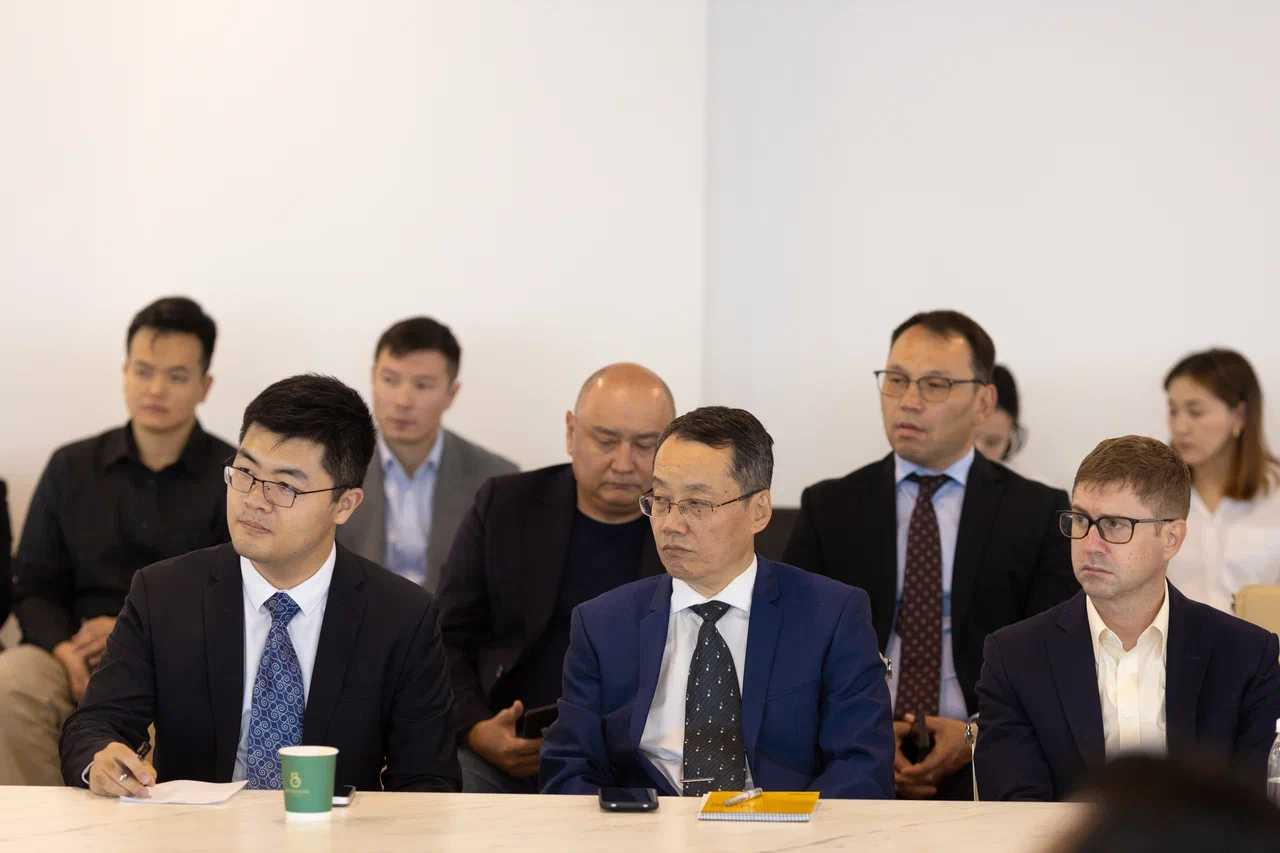
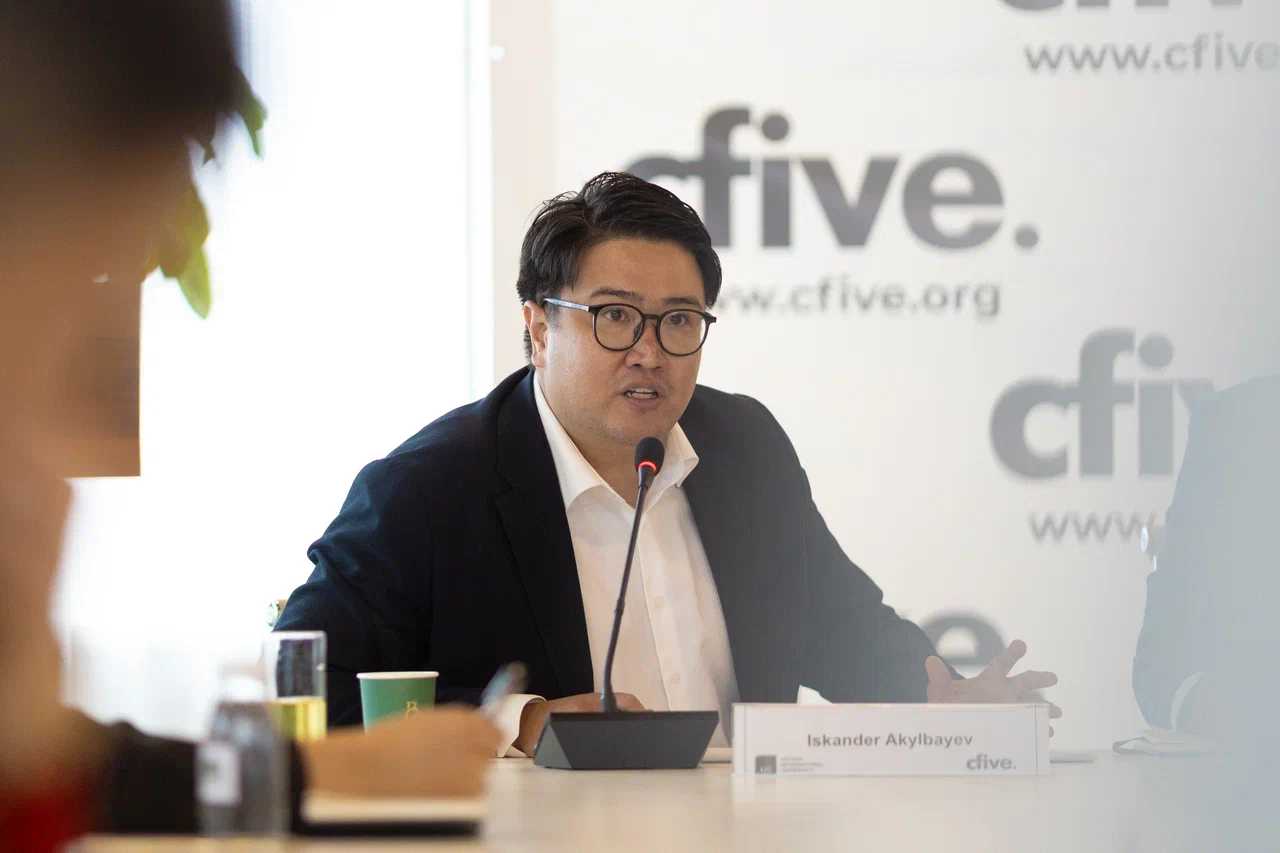
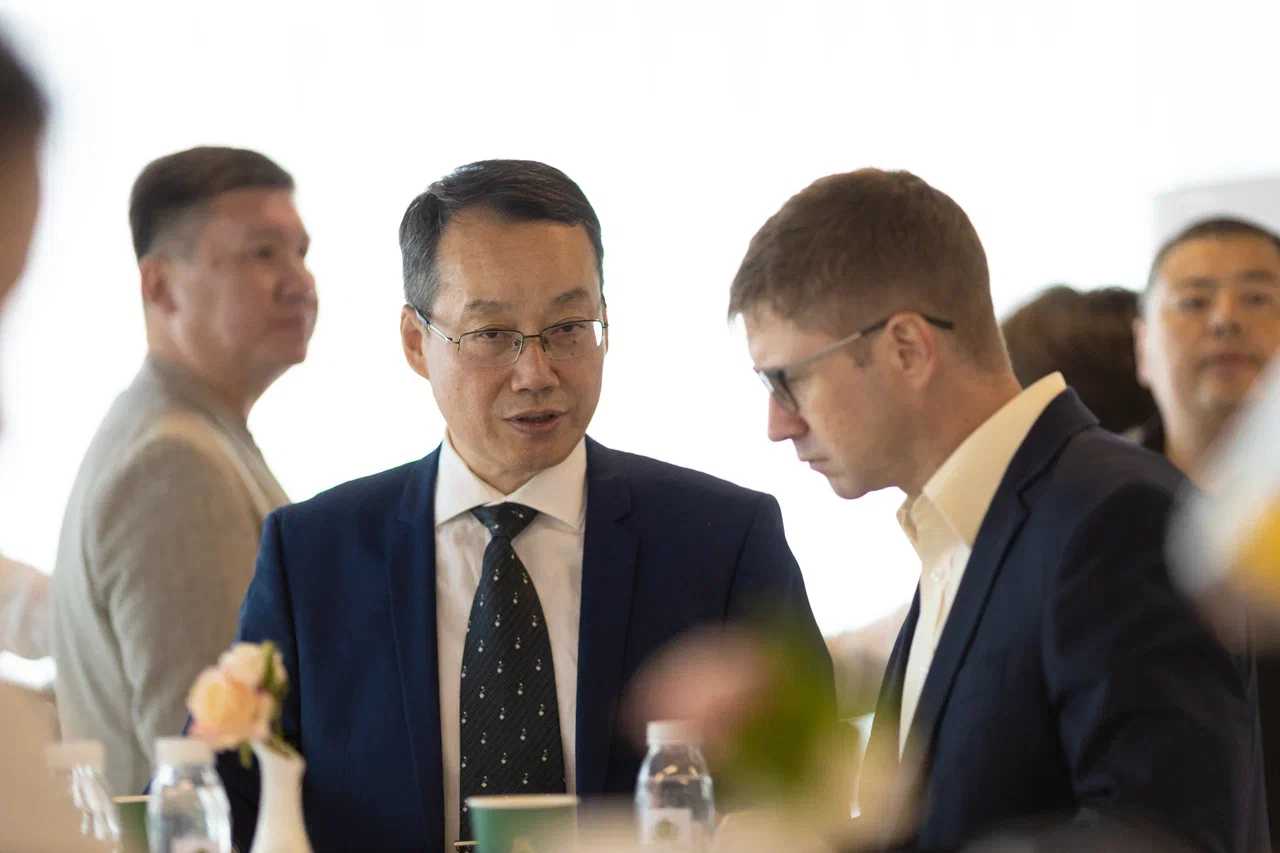

On August 21, the CFive Intellectual Platform at Astana International University, in collaboration with the Hudson Institute, hosted an expert discussion titled «Kazakhstan and the New Eurasian Landscape: Strategic Partnerships, Connectivity, and Economic Opportunities» .
This
event marked the Hudson Institute’s first-ever event in Central Asia, bringing
together members of the diplomatic corps, former ambassadors and senior
diplomats, international experts, representatives of national companies, as
well as the academic and business communities at the university campus.
The
discussion was moderated by Iskander Akylbayev, Chairman of CFive. The central
focus of the debate revolved around Kazakhstan’s evolving role in Eurasia, the
transformation of global supply chains, the development of transport and energy
routes, multi-vector diplomacy, and intensifying competition among leading
world powers.
During
the session, speakers provided a comprehensive analysis of Eurasia’s new
geopolitical landscape and shared key insights:
- Ken Moriyasu (Senior Fellow at the
Hudson Institute): Framed Kazakhstan as one of Eurasia’s pivotal “swing
states” and highlighted the growing strategic significance of Central Asia
within the context of global US-China competition. He paid special
attention to the development of the Middle Corridor, land-based trade and
energy routes across Eurasia, as well as the increasing role of
Afghanistan and Turkmenistan in regional connectivity.
- Bulat Sarsenbayev (Diplomat, former
Ambassador Extraordinary and Plenipotentiary of the Republic of
Kazakhstan): Emphasized the necessity of viewing ongoing geopolitical
shifts primarily through the lens of the national interests of Kazakhstan
and other Central Asian states. He also noted the importance of
alternative transport routes and Kazakhstan's accumulated expertise as a
trusted platform for international negotiations.
- Muiz Wahabdeen (Expert at the Geneva
School of Diplomacy): Pointed out that Kazakhstan’s strategic advantages
extend beyond its geographical location and natural resources. According
to him, the country’s most critical asset is trust, which enables
Kazakhstan to serve as a bridge between various states, economies, and
institutions. In his view, Kazakhstan possesses the potential to develop
not only as a transit hub, but also as an investment, intellectual, and
diplomatic center, as well as a premier platform for international
dialogue.
- Abzal Narymbetov (Oil and gas
industry expert, Founder and CEO of Energy Analytics): Outlined the energy
dimension of current global transformations. He stressed the enduring
importance of traditional energy resources for the global economy and the
growing role of overland oil and gas supply routes amid the urgent need to
diversify global energy supply chains.
In
the subsequent open discussion, participants addressed the prospects of the
Middle Corridor, Afghanistan and Pakistan as potential transport routes,
Turkmenistan’s expanding energy profile, the role of foreign direct investment,
and the future trajectory of Kazakhstan’s multi-vector foreign policy.
One
of the central takeaways of the meeting was the thesis that Kazakhstan should
focus not merely on positioning itself among major powers, but on building its own
strategic value. In this framework, Kazakhstan has strong potential to solidify
its role as a “connector state”—a nation linking transport routes, energy
flows, investments, markets, and international dialogue.
CFive
Intellectual Platform will continue to advance international expert cooperation
and create platforms for meaningful dialogue on key issues of the regional and
global agenda.