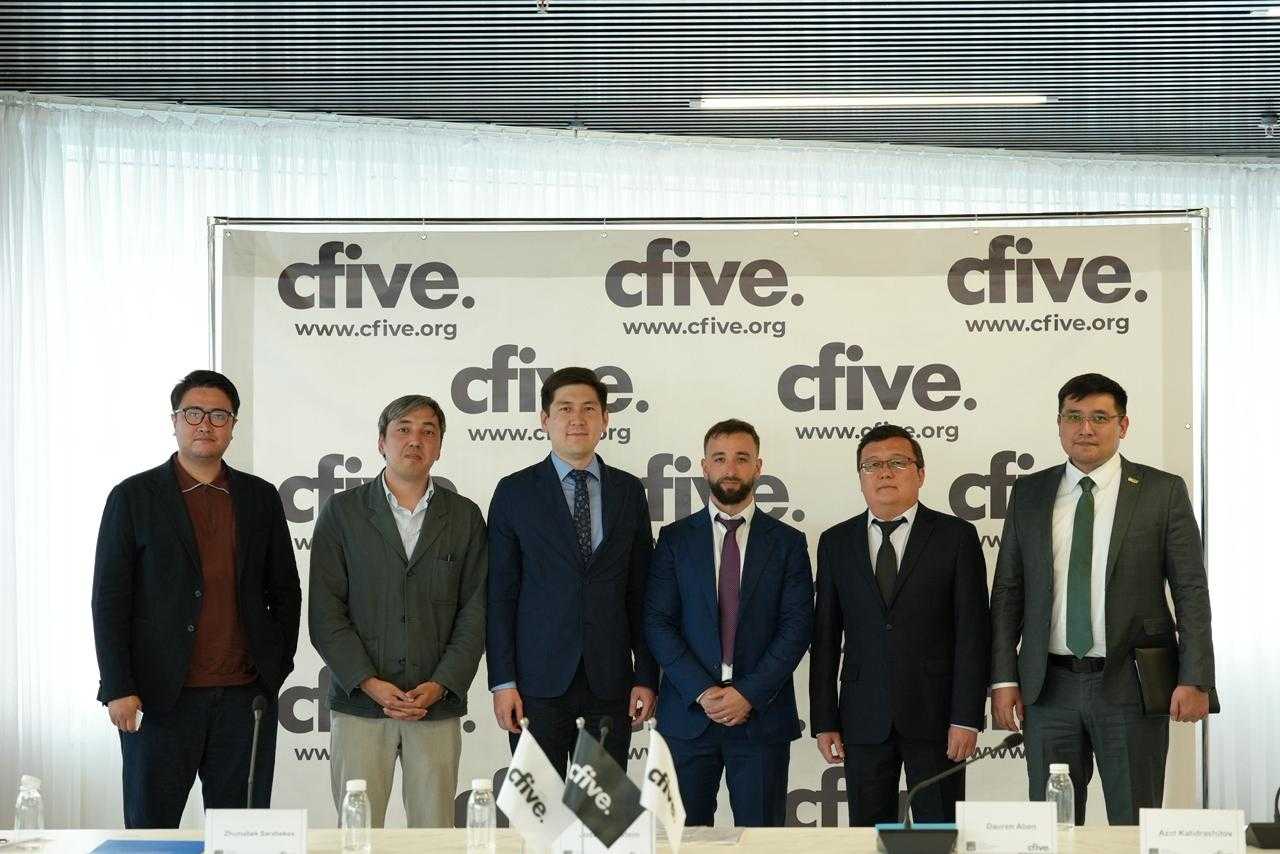
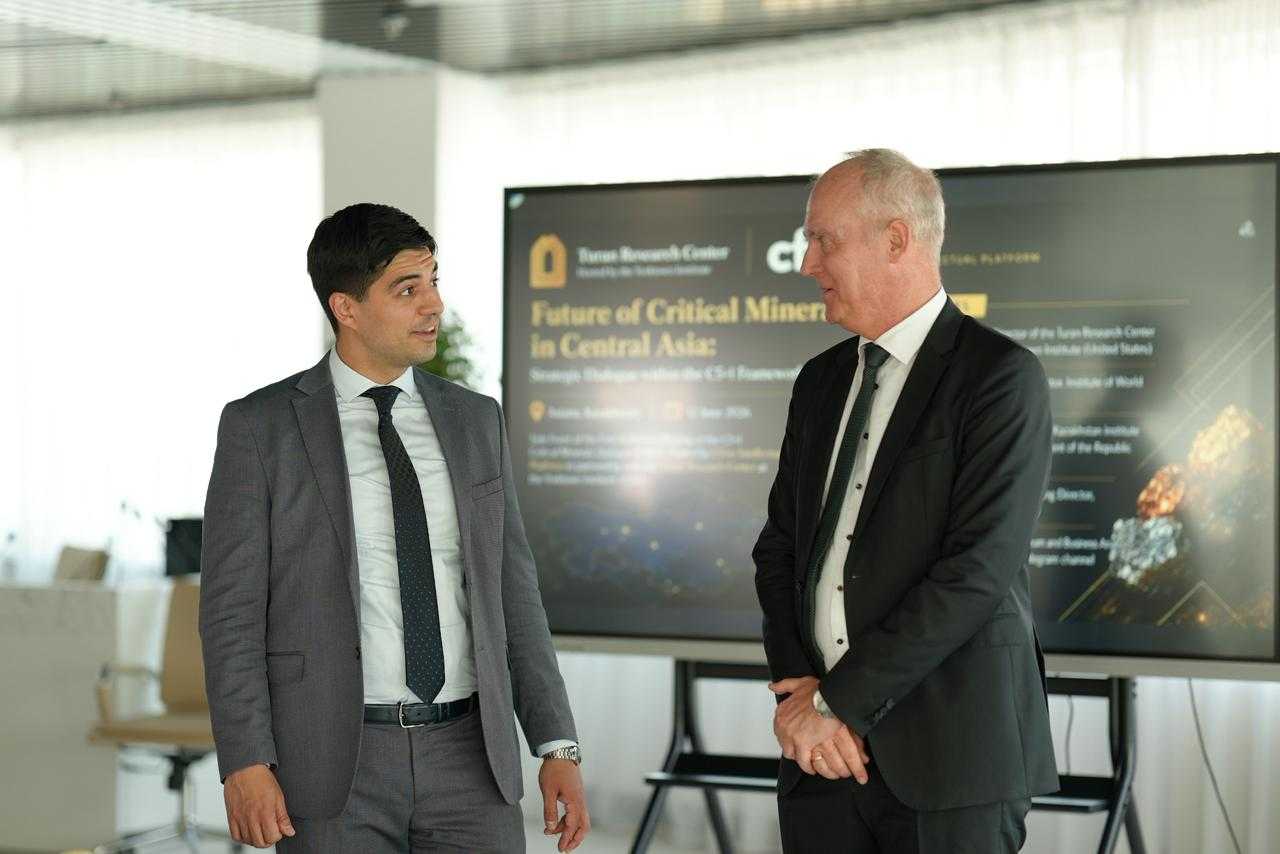
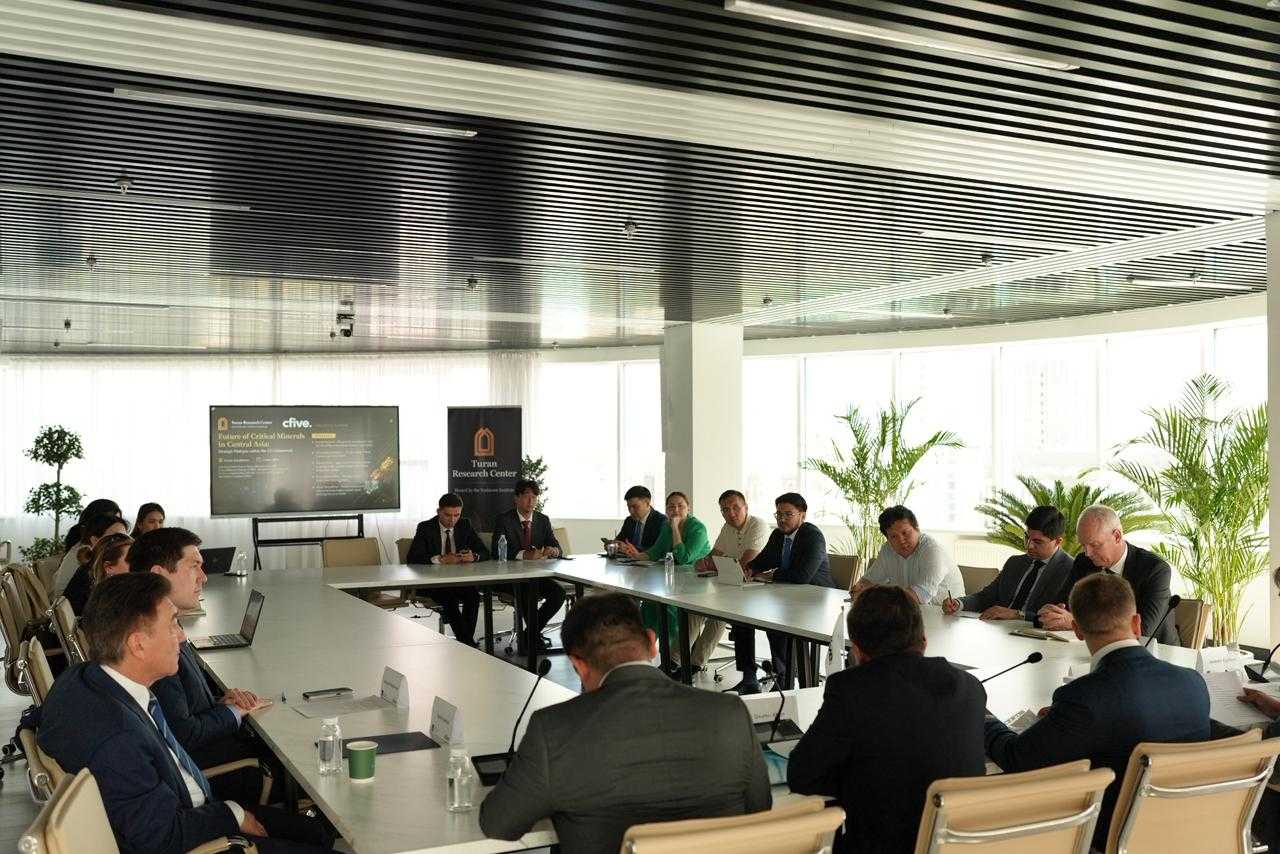
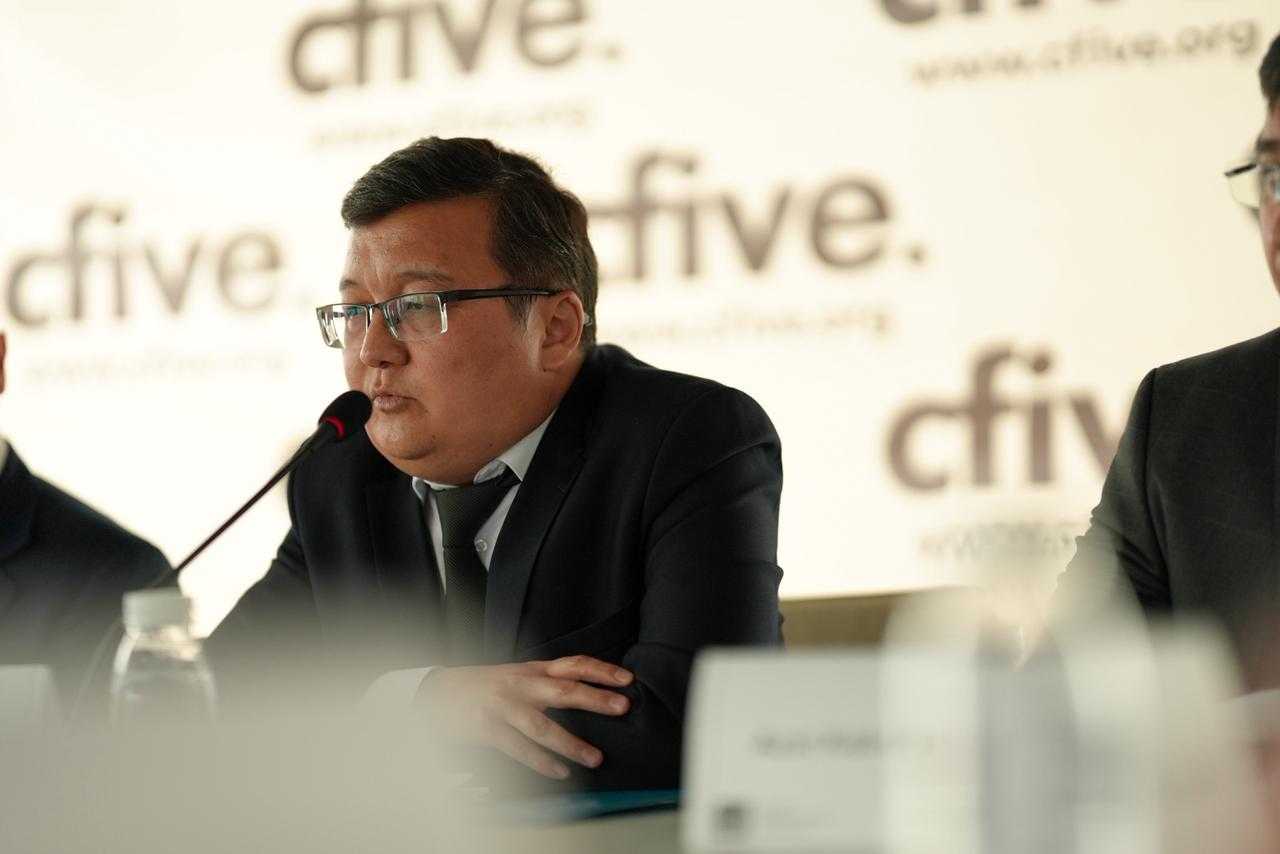
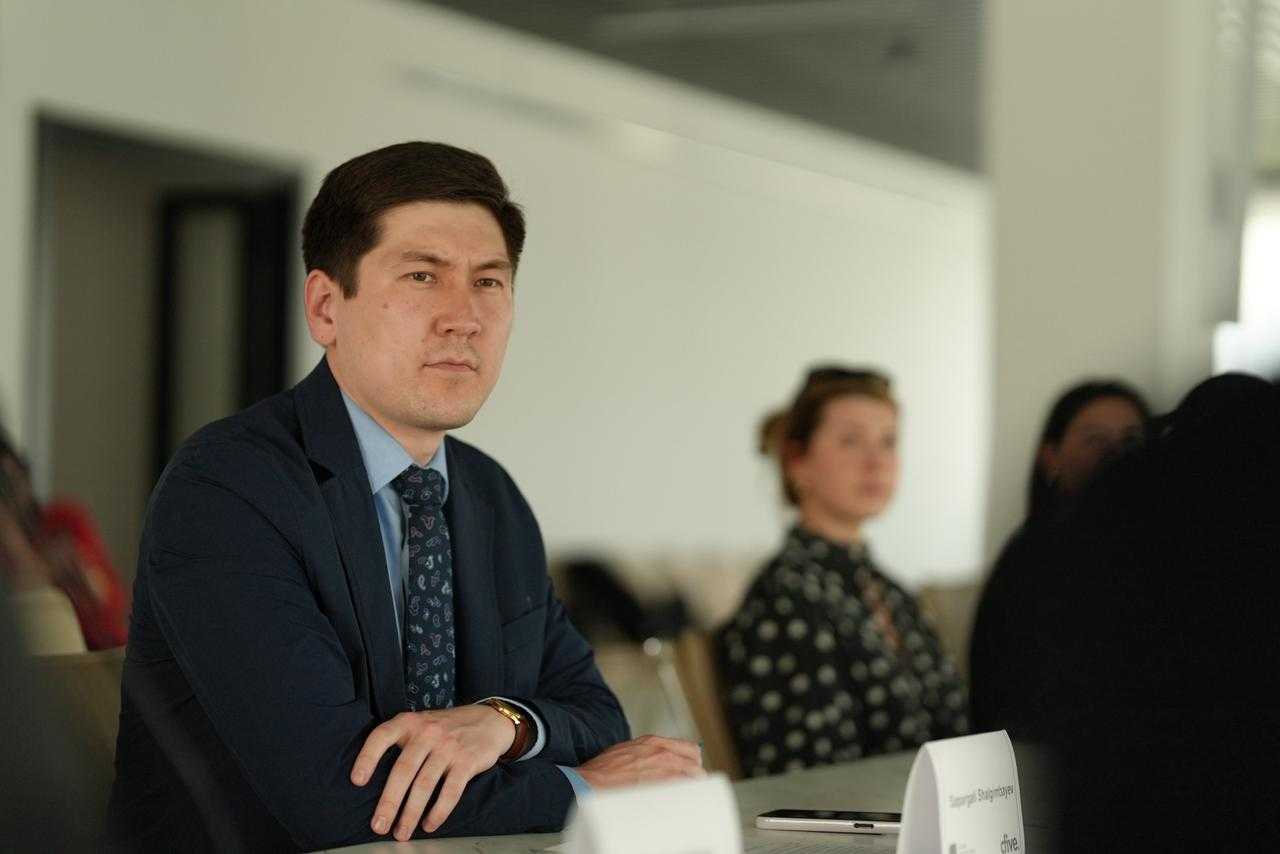
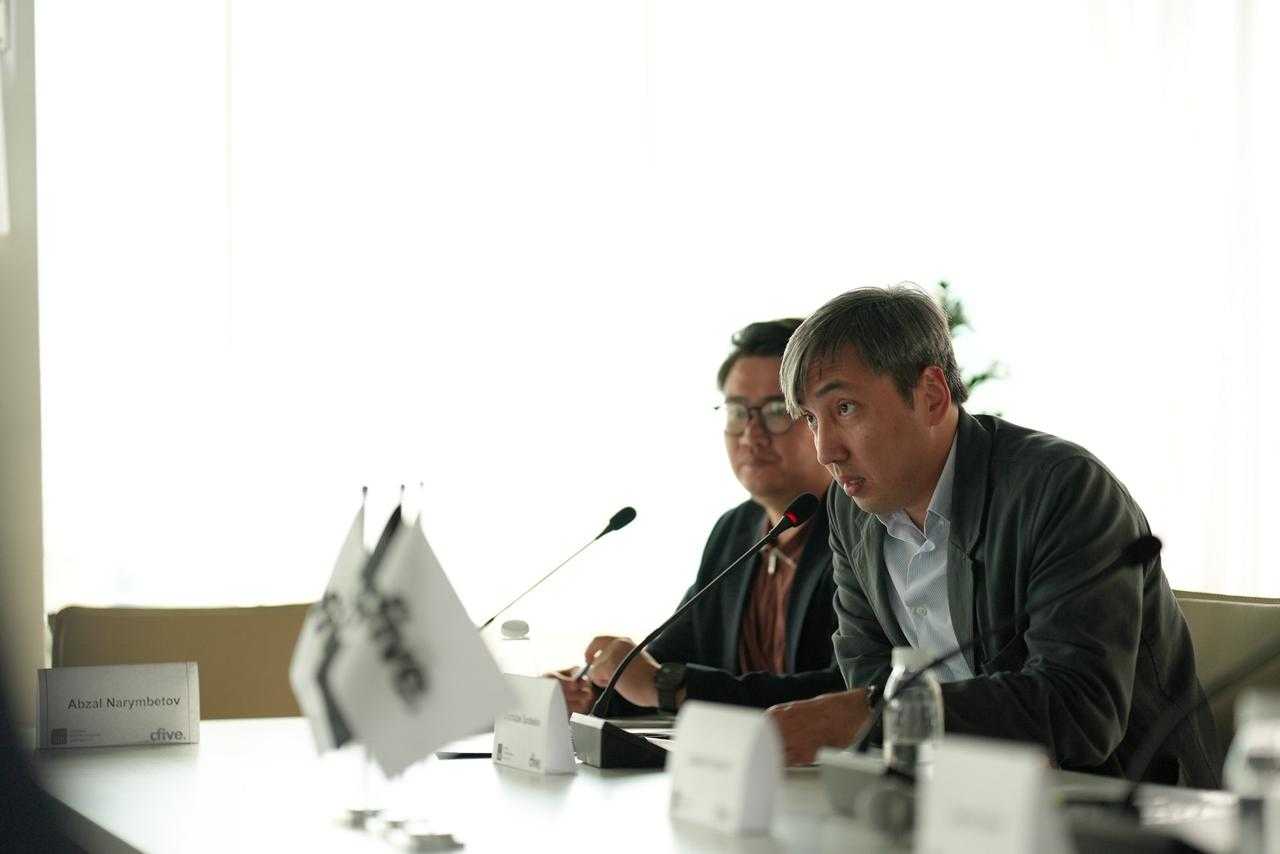
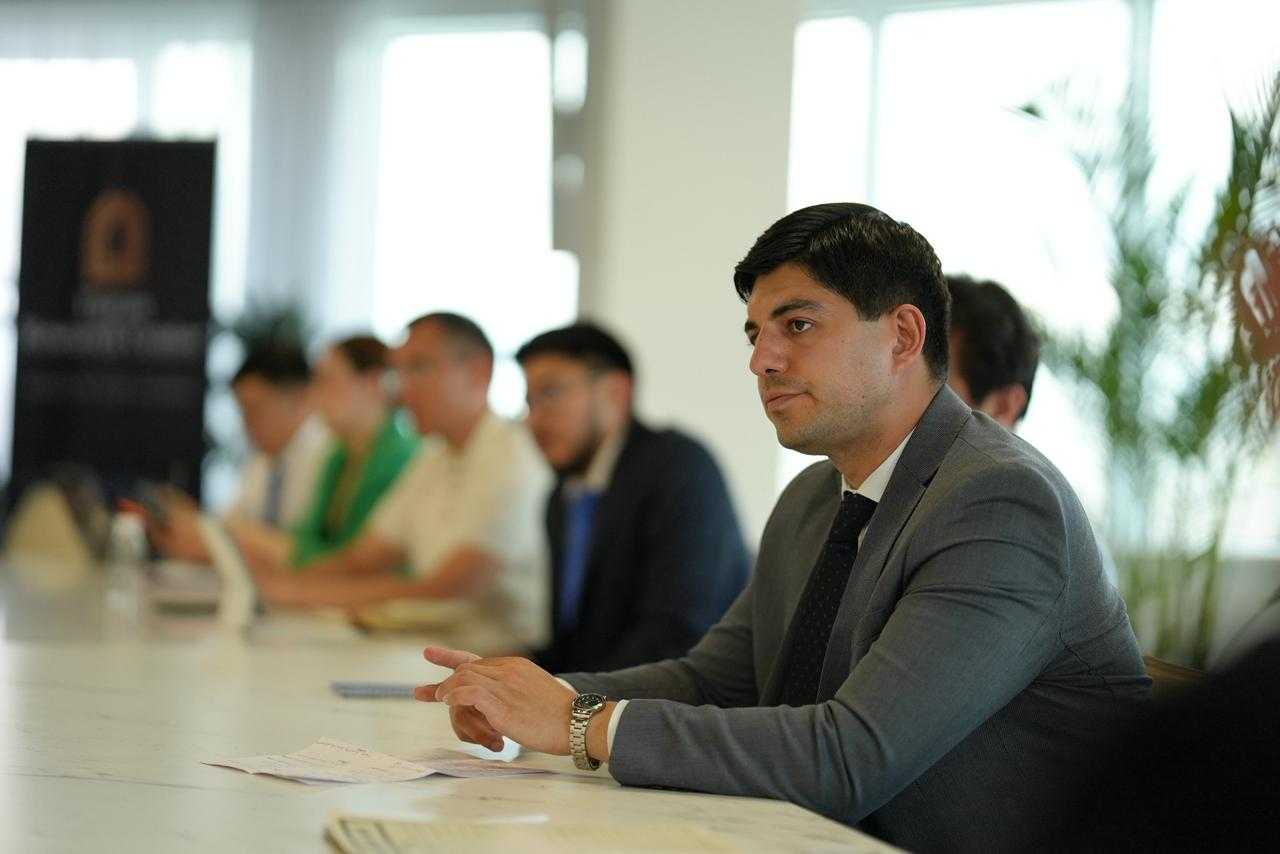
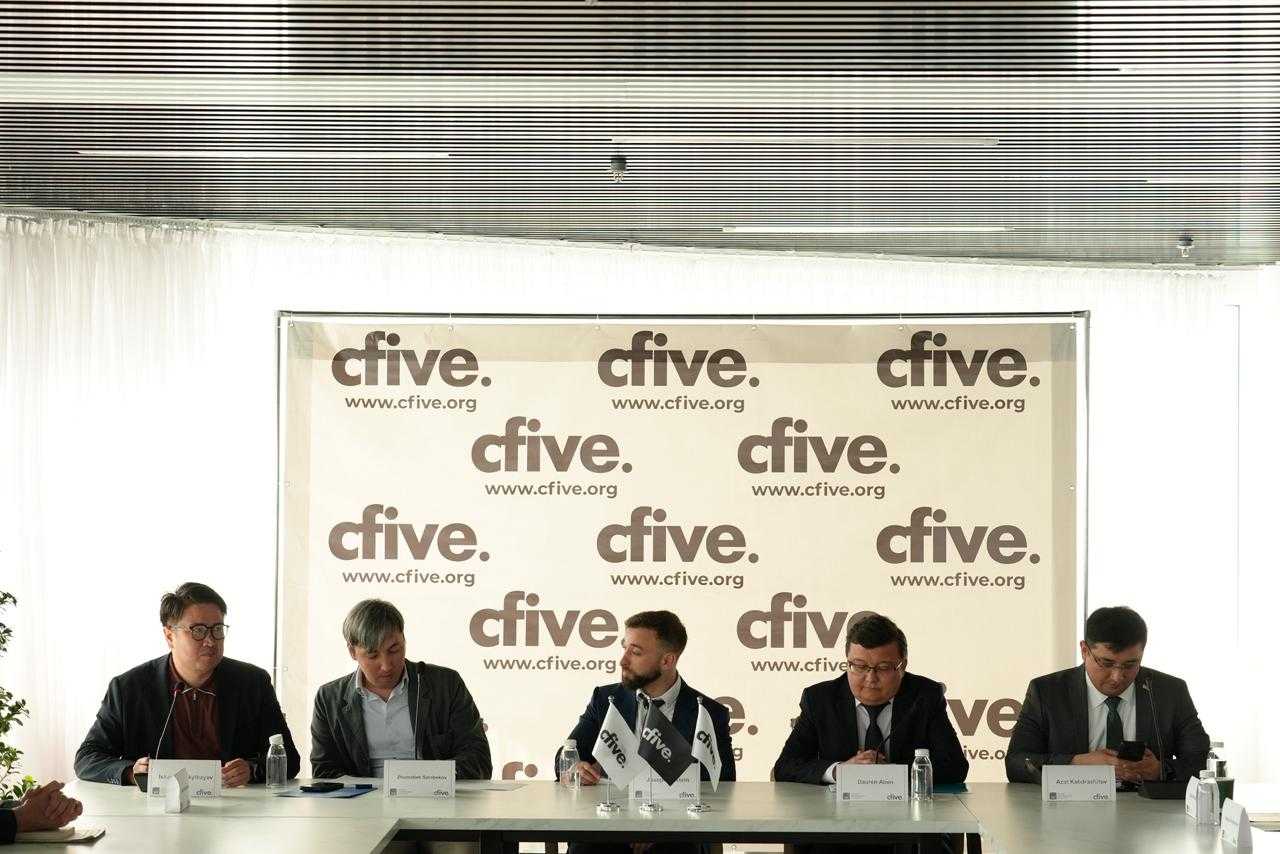
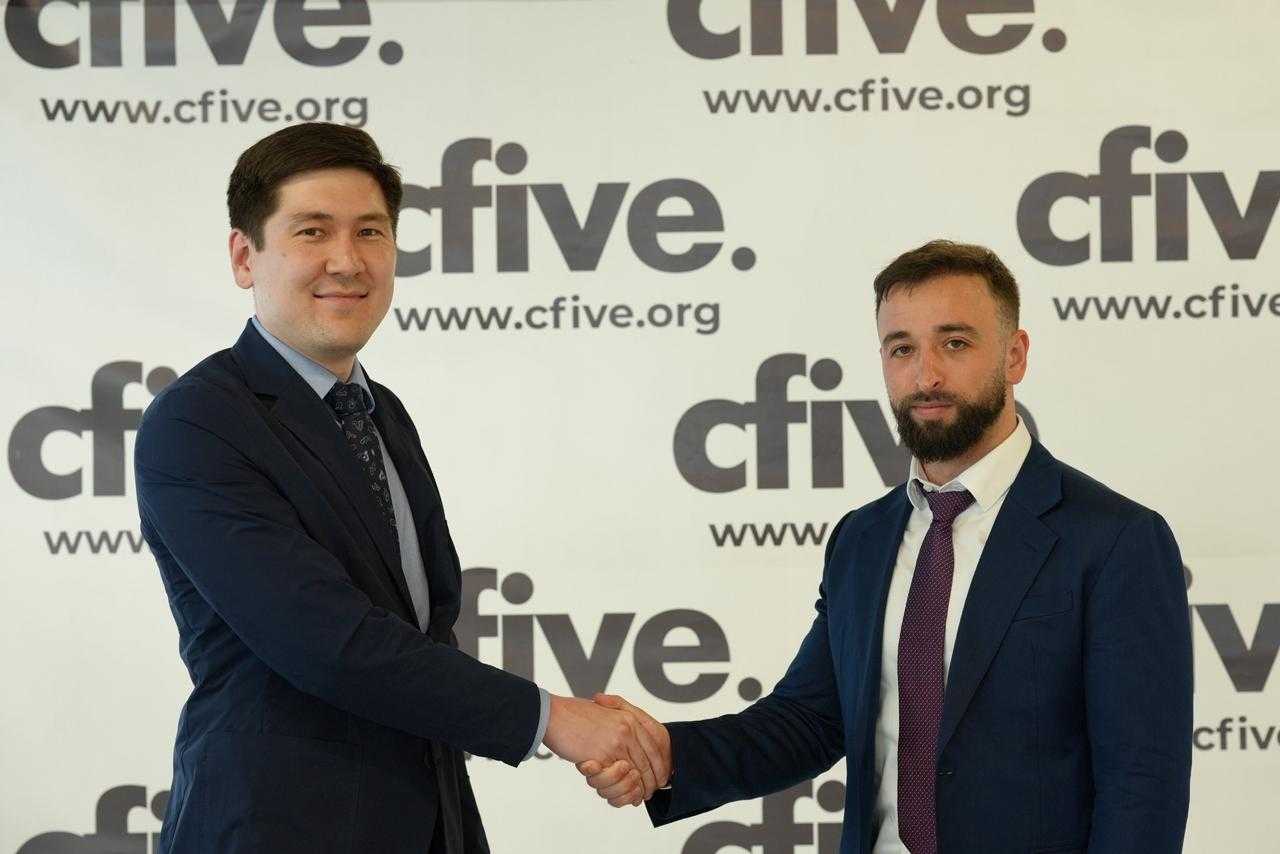
On June 12, 2026, Astana International University (AIU) hosted an international expert roundtable titled “Future of Critical Minerals in Central Asia: Strategic Dialogue within the C5+1 Framework.” The event was organized by the CFive analytical platform under Astana International University in partnership with the Turan Research Center at the Yorktown Institute (USA).
The event was held following the first in-person meeting of the C5+1 Critical Minerals Dialogue and served as a vital venue for discussing development prospects for the critical minerals industry in Central Asia, attracting investment, developing supply chains, and strengthening regional cooperation.
The roundtable brought together representatives of the diplomatic corps, government agencies, international organizations, the expert community, businesses, and academic circles.
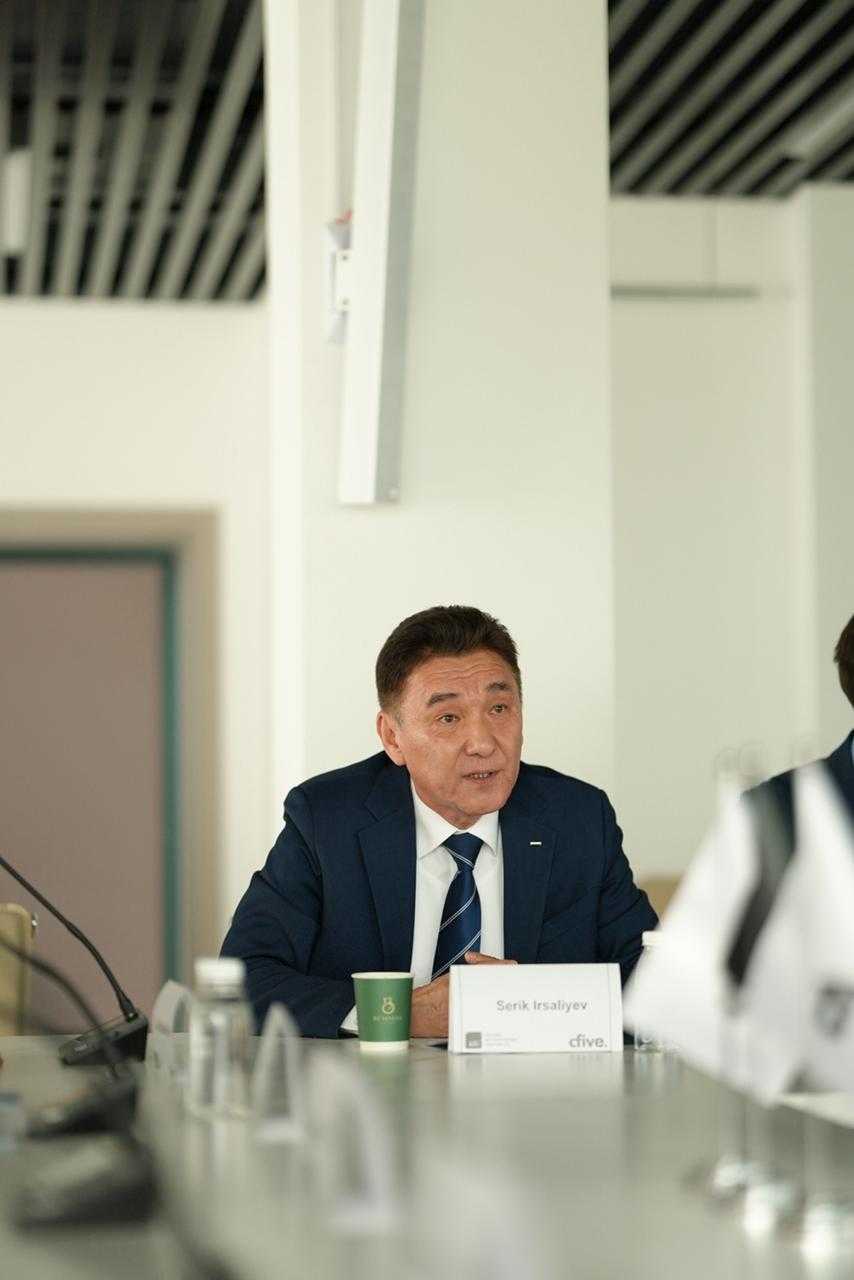
President of AIU Serik Irsaliyev delivered the welcoming address to the participants. The discussion was moderated by the Chairman of CFive, Iskandir Akylbaev.
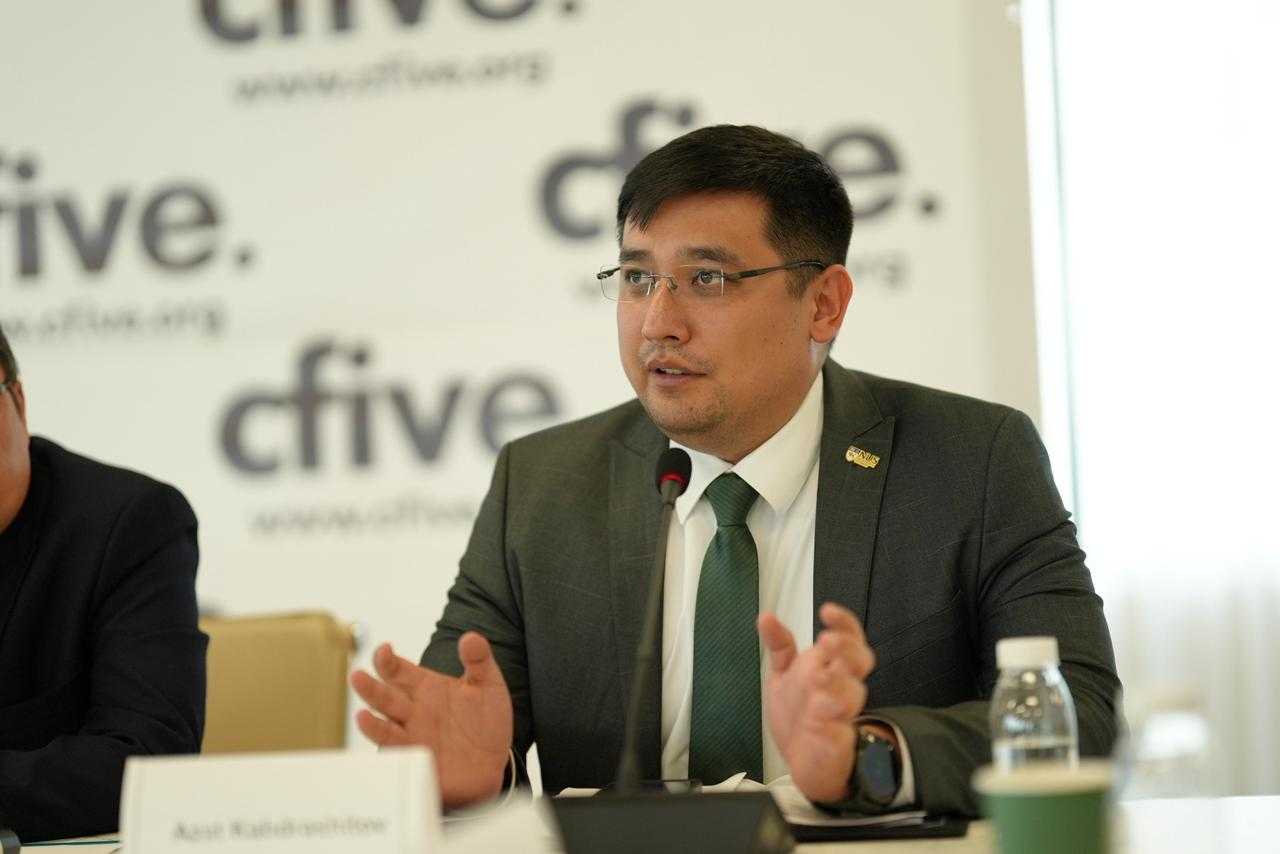
Keynote speakers included Joseph Epstein, Director of the Turan Research Center and Senior Fellow at the Yorktown Institute (USA); Zhumabek Sarabekov, Director of the Institute of World Economics and Politics (IWEP); Dauren Aben, Deputy Director of the Kazakhstan Institute for Strategic Studies under the President of the Republic of Kazakhstan (KazISS); Azat Kabdrashitov, Managing Director of JSC NC Kazakh Invest; and Abzal Narymbetov, an oil and gas industry analyst.
During the discussion, Zhumabek Sarabekov, Director of the Institute of World Economics and Politics, emphasized the necessity for Kazakhstan to transition from a purely raw material extraction model toward developing its own downstream processing, technologies, and human capital. He stressed that critical minerals must become an instrument for the country's technological advancement.
Dauren Aben, Deputy Director of the Kazakhstan Institute for Strategic Studies, pointed out that despite high international interest in rare earth elements and critical minerals, this industry significantly differs from the oil and gas sector and requires careful consideration of numerous technological, infrastructural, and investment factors.
Azat Kabdrashitov, Managing Director of JSC NC Kazakh Invest, highlighted that Kazakhstan is consistently shifting from a raw material export model to developing high-value-added manufacturing, and remains highly interested in attracting investment into internal processing and industrial production.
Joseph Epstein, Director of the Turan Research Center, noted the rising role of Central Asia in global critical minerals supply chains. He emphasized the importance of advancing cooperation between regional nations and international partners to guarantee sustainable access to strategically vital resources.
At the conclusion of the roundtable, participants reached a consensus that Kazakhstan needs to leverage the growing international interest in critical minerals to build its own industrial base, expand processing capacities, and strengthen the country's position in the global economy.
The attendees highly commended the exceptional organization of the event and expressed strong interest in continuing the expert dialogue on critical minerals, sustainable economic growth, and regional cooperation within the C5+1 framework.