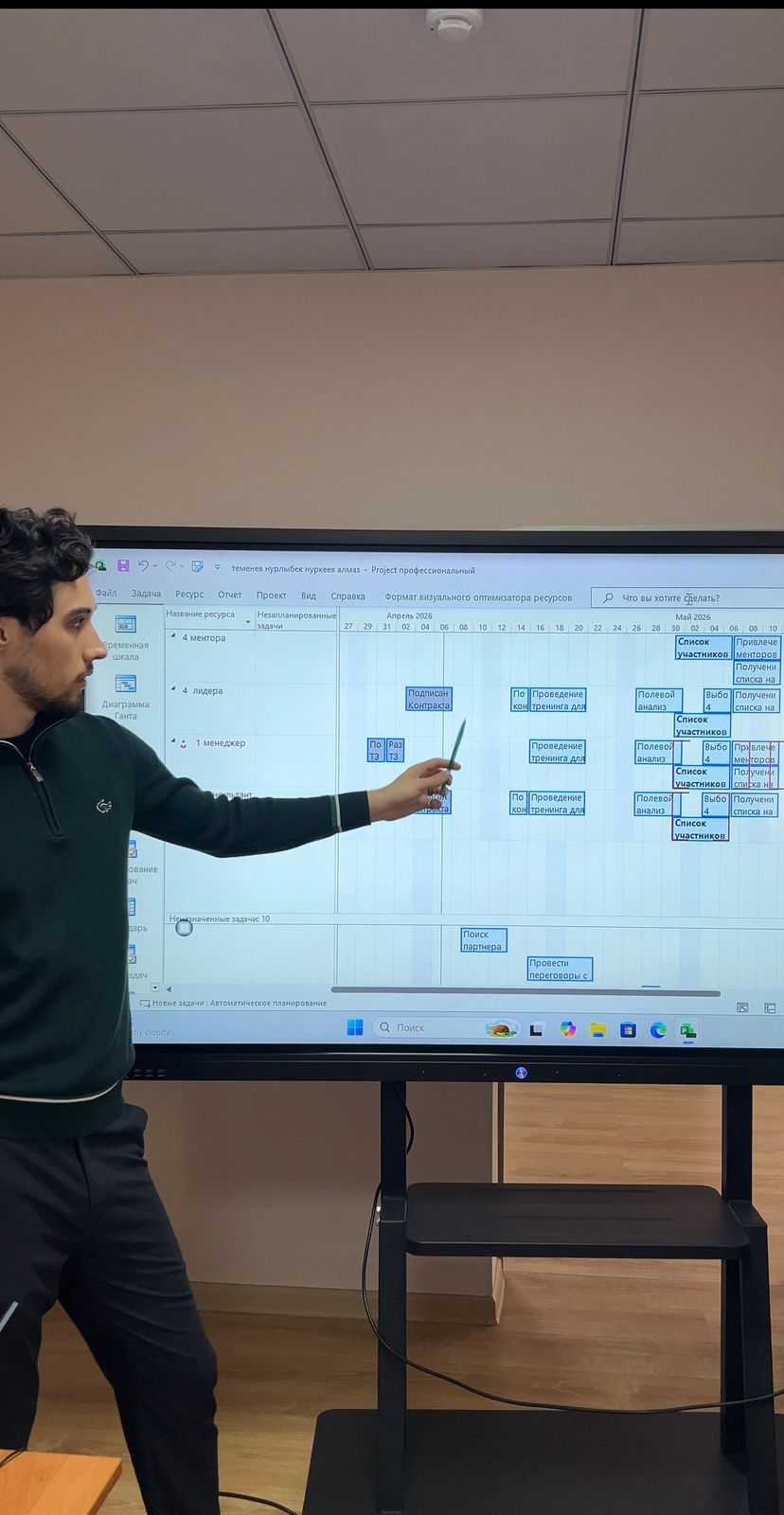

At the Higher School of Economics, Microsoft Project has been successfully integrated
into the educational process. This tool enables students to work with projects at a professional
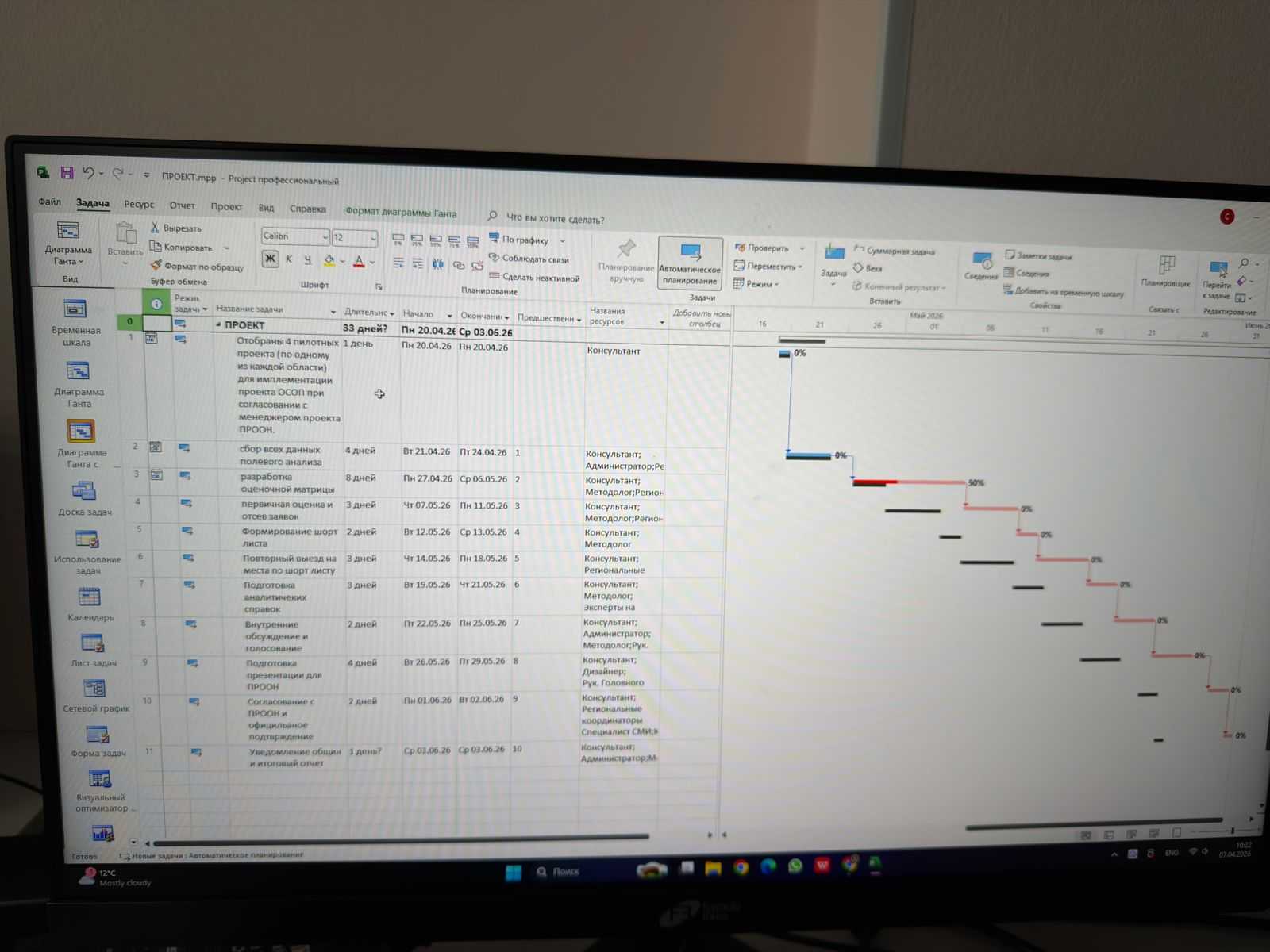
level — from idea to implementation: to develop project structures and stages, create schedules,
manage timelines and resources, and monitor task execution.
The software is used within the “Project Management” course for third-year students of
the educational programs “Marketing,” “International Business,” and “Management.” The course
covers key aspects of project management — from initiation and planning to implementation
control, including the management of time, resources, risks, communications, procurement, and
project teams. The use of Microsoft Project allows students to practically apply these processes,
meeting current labor market requirements.
The application of Microsoft Project enhances the practical orientation of learning:
students move from theory and case discussions to their digital implementation, which helps
them better understand project structures, task interdependencies, and the impact of managerial
decisions on project execution. The course is taught by Sarina B.S., Associate Professor,
Candidate of Economic Sciences, and a practitioner with over 15 years of project management
experience. The instructor’s practice-oriented approach enables students to gain a deeper
understanding of project processes and confidently apply their knowledge in practice.